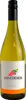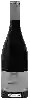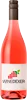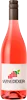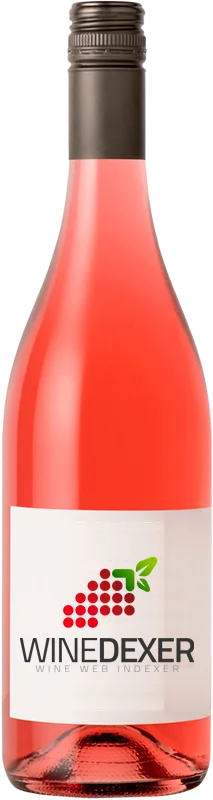
Clos SantiniHaute Vigne Patrimonio Rosé
 Pink wine


This wine generally goes well with
The Haute Vigne Patrimonio Rosé of the Clos Santini is in the top 10 of wines of Patrimonio.
Details and technical informations about Clos Santini's Haute Vigne Patrimonio Rosé.
Discover the grape variety: Teroldego
An autochthonous Italian grape variety that has been cultivated for a very long time and is fairly common in the northern part of Italy (Trentino, Alto Adige, etc.). It can also be found in Slovenia, Croatia (Istria, etc.) and the United States (California, etc.), but is virtually unknown in France. Genetic analyses have revealed that it is the niece or nephew of dureza and therefore the aunt or uncle of syrah. It is also said to be related to marzemino, lagrein and refosco dal peduncolo rosso.
Informations about the Clos Santini
The Clos Santini is one of of the world's great estates. It offers 21 wines for sale in the of Patrimonio to come and discover on site or to buy online.

The wine region of Patrimonio
Patrimonio is an appellation for white, red and rosé wines from the southern tip of the Cap Corse peninsula in Corsica, an island in the Mediterranean Sea between France and Italy. The communes involved are Barbaggio, Farinole, Oletta, Poggio-d'Oletta, Saint-Florent, Santo-Pietro-di-Tenda and Patrimonio itself. The soils of the valleys and hillsides of this region are distinct from the rest of the island in that they are largely composed of calcareous clay and limestone. The majority of Patrimonio's vineyards are located on the coast of the Gulf of St.
The wine region of Corsica
Corsica is an island in the Mediterranean Sea, located between the southeast coast of Provence and the west coast of Tuscany. Although it is closer to Italy, Corsica has been under French rule since 1769 and is one of the 26 regions of France. The island's Italian origins are evident in its wines, which are mainly made from the classic Italian Grapes Vermentino and Sangiovese (known here as Rolle and Nielluccio respectively). Despite its remoteness, Corsican winemakers have amassed an impressive and diverse portfolio of grape varieties - there are very few places on earth where Pinot Noir, Tempranillo and Barbarossa grow side by side.
The word of the wine: Disgorging (champagne)
This is the evacuation of the deposit formed by the yeasts during the second fermentation in the bottle, by opening the bottle. The missing volume is completed with the liqueur de dosage - a mixture of wine and cane sugar - before the final cork is placed. For some years now, some producers have been replacing this sugar with rectified concentrated musts (concentrated grape juice) which give excellent results. A too recent dosage (less than three months) harms the gustatory harmony of the champagne.