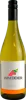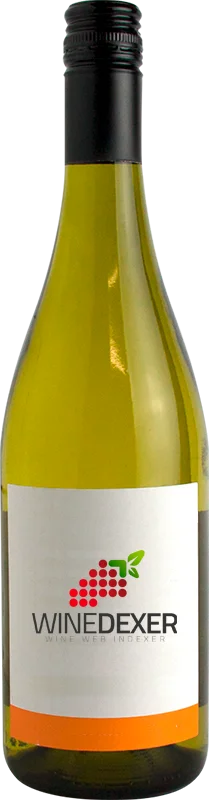
Clos San QuilicoXavier Veilhan Studio Venezia Blanc
 White wine
This wine generally goes well with

Details and technical informations about Clos San Quilico's Xavier Veilhan Studio Venezia Blanc.
Discover the grape variety: Bouysselet
Fresh, aromatic dry whites with a pale golden robe, a supple palate and preserved acidity, with signature aromas of citrus (lemon), white flowers, white-fleshed fruits and subtle mineral notes. An airy south-western profile to drink young. Listed in the official French varietal catalogue, preserved by a few South-West growers around Villaudric. Near-extinct native French white grape from Haute-Garonne, a Savagnin × Plant de Cauzette cross.
Informations about the Clos San Quilico
The Clos San Quilico is one of of the world's great estates. It offers 15 wines for sale in the of Patrimonio to come and discover on site or to buy online.

The wine region of Patrimonio
First Corsican AOC around the Gulf of Saint-Florent at Cap Corse, clay-limestone soils (rare in Corsica), Mediterranean climate. Niellucciu signature red king (Sangiovese cousin, 90% min): deep and fresh with black cherry, blackberry, plum, garrigue, maquis herbs, leather and spices, firm tannins and sunny palate. Gourmet rosés (75% min Niellucciu): strawberry, citrus, garrigue. Vermentinu in white only authorized: full and saline (pear, flowers, almond).
The wine region of Corsica
Mediterranean island wine region with a triple native face, ~8,000 ha. Niellucciu signature (cousin of Sangiovese) dominates Patrimonio: structured reds with signature notes of black cherry, garrigue, maquis, spices and leather, firm tannins and sun-drenched mouth. Sciaccarellu (min. 60% in Ajaccio) lighter and peppery (strawberry, wild herbs).
The word of the wine: Sweet
Generic term for wines containing residual sugar (natural sugars in the grapes that have not been transformed into alcohol). It is also used to describe a wine with a dominantly sweet flavour, without further explanation.