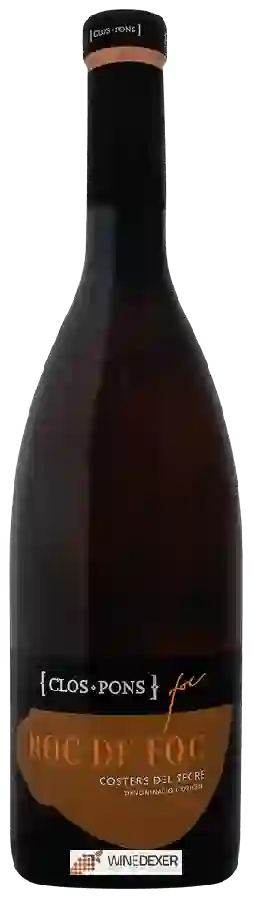
Clos PonsRoc de Foc
 White wine


This wine generally goes well with
The Roc de Foc of the Clos Pons is in the top 40 of wines of Costers del Segre.

Wine flavors and olphactive analysis





On the nose the Roc de Foc of Clos Pons in the region of Catalogne often reveals types of flavors of non oak, earth or microbio and sometimes also flavors of oak, tree fruit or spices.
Details and technical informations about Clos Pons's Roc de Foc.
Discover the grape variety: Johanniter
Aromatic, structured whites with a full palate and firm acidity, showing aromas of yellow fruits (peach, apricot), citrus, white flowers, honey and mineral notes reminiscent of Riesling. Refreshing. Mildew- and powdery-mildew-resistant interspecific variety, a driver of organic viticulture in northern regions: Germany (Baden), Switzerland, Netherlands, Belgium, UK and Denmark. German hybrid created in 1968 in Freiburg (Riesling × Seyve-Villard).
Last vintages of this wine
The best vintages of Roc de Foc from Clos Pons are 2013, 0, 2012, 2011
Informations about the Clos Pons
The Clos Pons is one of of the world's greatest estates. It offers 22 wines for sale in the of Costers del Segre to come and discover on site or to buy online.

The wine region of Costers del Segre
Catalan DO of Lleida, 6 subzones from plain to Pyrenean foothills (up to 1,000 m). Raïmat estate qualitative pioneer. Tempranillo (Ull de Llebre) signature in red: round and accessible with signature notes of ripe cherry, plum, soft vanilla, leather and a spicy touch, supple tannins and a gourmand palate. Firm Cabernet, fine Pinot Noir, Catalan Trepat.
The wine region of Catalogne
Cradle of Cava (~95% of Spanish output, traditional method): Macabeo, Xarel-lo, Parellada trilogy, fine fruity bubble. Quality peak in Priorat DOCa: dense, mineral reds on llicorella (schist), old-vine Garnacha and Cariñena with black fruit, garrigue notes, firm tannins. Also Penedès, fleshy Montsant, sunny Empordà, Costers del Segre. Mediterranean.
The word of the wine: Second fermentation
In the making of champagne, fermentation of the base wine to which is added the liqueur de tirage and which takes place in the bottle. This second fermentation produces the carbon dioxide, and therefore the bubbles that make up the effervescence of the wine.