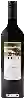
Clos CanosLes Cocobirous Corbieres
 Red wine



In the mouth this red wine is a powerful with a nice balance between acidity and tannins.
This wine generally goes well with beef, veal or pasta.

Taste structure of the Les Cocobirous Corbieres from the Clos Canos
Light | Bold | |
Smooth | Tannic | |
Dry | Sweet | |
Soft | Acidic |
In the mouth the Les Cocobirous Corbieres of Clos Canos in the region of Languedoc-Roussillon is a powerful with a nice balance between acidity and tannins.
Wine flavors and olphactive analysis



On the nose the Les Cocobirous Corbieres of Clos Canos in the region of Languedoc-Roussillon often reveals types of flavors of earth, oak.
Food and wine pairings with Les Cocobirous Corbieres
Pairings that work perfectly with Les Cocobirous Corbieres



Original food and wine pairings with Les Cocobirous Corbieres
The Les Cocobirous Corbieres of Clos Canos matches generally quite well with dishes of beef, pasta or veal such as recipes of venison leg in casserole, chinese chicken soup or veal chops au gratin.
Details and technical informations about Clos Canos's Les Cocobirous Corbieres.
Discover the grape variety: Rougeon
Colourful, fruity reds with an intense ruby colour, soft tannins and a supple palate, showing simple aromas of red fruits (cherry, raspberry), plum, soft spices and floral notes. An approachable style to drink young. Grown mainly in the United States (Pennsylvania, Missouri) and Canada (Ontario) for cold continental climate vineyards. French black hybrid created by Albert Seibel (Seibel 5898), resistant to fungal diseases.
Last vintages of this wine
The best vintages of Les Cocobirous Corbieres from Clos Canos are 2011, 2005, 2003, 2001 and 2004.
Informations about the Clos Canos
The Clos Canos is one of of the world's greatest estates. It offers 13 wines for sale in the of Corbières to come and discover on site or to buy online.

The wine region of Corbières
Largest AOC in Languedoc, 95% Mediterranean reds. Signature old-vine Carignan (up to 60%): fleshy reds with black fruit, garrigue, black olive, spice and tight tannins. Blended with round, sunny Grenache, peppery Syrah, dense Mourvèdre and supple Cinsault. A few fresh rosés and whites (Grenache Blanc, Roussanne).
The wine region of Languedoc-Roussillon
Largest single French vineyard, dominated by sunny, generous reds. Spicy Syrah, candied Grenache (ripe fruit, garrigue), structured Carignan, deep Mourvèdre, supple Cinsault. Stars: structured Corbières, Minervois, Faugères, Saint-Chinian; round Côtes-du-Roussillon. Legendary vins doux naturels: Banyuls and Maury (fortified Grenache) with notes of cocoa, fig, prune.
The word of the wine: Sweet
Generic term for wines containing residual sugar (natural sugars in the grapes that have not been transformed into alcohol). It is also used to describe a wine with a dominantly sweet flavour, without further explanation.