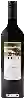
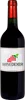
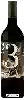
Château CiceronIn Memoriam Corbières
 Red wine
This wine generally goes well with beef, veal or pasta.

Food and wine pairings with In Memoriam Corbières
Pairings that work perfectly with In Memoriam Corbières



Original food and wine pairings with In Memoriam Corbières
The In Memoriam Corbières of Château Ciceron matches generally quite well with dishes of beef, pasta or veal such as recipes of american fillet (belgian-style beef tartar), pasta with ham or veal colombo.
Details and technical informations about Château Ciceron's In Memoriam Corbières.
Discover the grape variety: Seyval
Lively, simple and fruity whites with a pale golden colour, an airy palate with preserved acidity, and discreet aromas of citrus, white-fleshed fruits and white flowers. Also used in sparkling bases. Disease-resistant and cold-hardy. Grown in the United Kingdom, Canada (Québec) and the north-eastern United States for northern climates. Family of French hybrid varieties developed by Bertille Seyve in Bourgoin-Jallieu (Isère), the best known being Seyval Blanc.
Informations about the Château Ciceron
The Château Ciceron is one of of the world's great estates. It offers 34 wines for sale in the of Corbières to come and discover on site or to buy online.

The wine region of Corbières
Largest AOC in Languedoc, 95% Mediterranean reds. Signature old-vine Carignan (up to 60%): fleshy reds with black fruit, garrigue, black olive, spice and tight tannins. Blended with round, sunny Grenache, peppery Syrah, dense Mourvèdre and supple Cinsault. A few fresh rosés and whites (Grenache Blanc, Roussanne).
The wine region of Languedoc-Roussillon
Largest single French vineyard, dominated by sunny, generous reds. Spicy Syrah, candied Grenache (ripe fruit, garrigue), structured Carignan, deep Mourvèdre, supple Cinsault. Stars: structured Corbières, Minervois, Faugères, Saint-Chinian; round Côtes-du-Roussillon. Legendary vins doux naturels: Banyuls and Maury (fortified Grenache) with notes of cocoa, fig, prune.
The word of the wine: Load shedding
Unlike pumping over, the liquid part is completely removed from the tank before being poured over the marc. This allows for a better mixing of the solid particles and the juice.