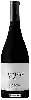
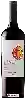
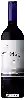
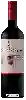
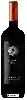
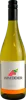
Winery Viña MaipoMoscato
 White wine



This wine generally goes well with sweet desserts
Wine flavors and olphactive analysis

Food and wine pairings with Moscato
Pairings that work perfectly with Moscato

Original food and wine pairings with Moscato
The Moscato of Winery Viña Maipo matches generally quite well with dishes of sweet desserts such as recipes of grandma's cherry clafoutis.
Details and technical informations about Winery Viña Maipo's Moscato.
Discover the grape variety: Poulsard
Poulsard is a red grape variety that originated in the Franche-Comté region. In 1732, it was qualified as a good grape variety with several others by the parliament of Besançon at the time. It currently covers nearly 300 ha. This variety has 3 approved clones: 296, 584 and 464. Poulsard has slightly hairy branches with long tendrils. Its leaves are yellow in color. Although its bunches are small, its berries are often medium-sized or larger. Poulsard is quite sensitive to scorching, spring frosts and coulure. It is also afraid of oidium, mildew and grey rot. This grape variety appreciates clayey, fat and marly soils. Its fertility is average, so it is preferable to prune it long. It buds quite early. Poulsard produces a wine with a light structure, fine and aromatic. It can be kept for years. This wine goes well with poultry, red meat, cheese and starters.
Last vintages of this wine
The best vintages of Moscato from Winery Viña Maipo are 2015, 0, 2018, 2019
Informations about the Winery Viña Maipo
The Winery Viña Maipo is one of of the world's great estates. It offers 86 wines for sale in the of Central Valley to come and discover on site or to buy online.

The wine region of Central Valley
The Central Valley (El Valle Central) of Chile is one of the most important wine-producing areas in South America in terms of Volume. It is also one of the largest wine regions, stretching from the Maipo Valley (just south of Santiago) to the southern end of the Maule Valley. This is a distance of almost 250 miles (400km) and covers a number of Climate types. The Central Valley wine region is easily (and often) confused with the geological Central Valley, which runs north–south for more than 620 miles (1000km) between the Pacific Coastal Ranges and the lower Andes.
The word of the wine: Oenology
The science of the oenologist, which is essentially concerned with the elaboration and maturation of wines.