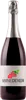
Cave AmadeuMoscatel Processo Asti
 Sparkling wine



In the mouth this sparkling wine is a with a nice freshness.
This wine generally goes well with pork, rich fish (salmon, tuna etc) or shellfish.

Taste structure of the Moscatel Processo Asti from the Cave Amadeu
Light | Bold | |
Soft | Acidic | |
Gentle | Fizzy |
In the mouth the Moscatel Processo Asti of Cave Amadeu in the region of Rio Grande do Sul is a with a nice freshness.


Food and wine pairings with Moscatel Processo Asti
Pairings that work perfectly with Moscatel Processo Asti



Original food and wine pairings with Moscatel Processo Asti
The Moscatel Processo Asti of Cave Amadeu matches generally quite well with dishes of pork, rich fish (salmon, tuna etc) or shellfish such as recipes of soft and inexpensive pasta gratin, fish balls or oven-roasted breton lobster with salted butter from the jaguin brothers (the....
Details and technical informations about Cave Amadeu's Moscatel Processo Asti.
Discover the grape variety: Corvina
Slender, fresh reds with a clear ruby robe, fine tannins and lively acidity, showing aromas of sour cherry, bitter almond, spice and a characteristically bitter finish. Vinified as light, gulpable reds (Bardolino DOC, Valpolicella DOC), powerful and concentrated through appassimento (Amarone della Valpolicella DOCG) and sweet (Recioto della Valpolicella DOCG). An autochthonous Venetian variety from Lake Garda and the Valpolicella.
Last vintages of this wine
The best vintages of Moscatel Processo Asti from Cave Amadeu are 2018, 2016, 2014, 2015 and 2011.
Informations about the Cave Amadeu
The Cave Amadeu is one of of the world's greatest estates. It offers 7 wines for sale in the of Serra Gaúcha to come and discover on site or to buy online.

The wine region of Serra Gaúcha
Brazil's wine capital, Rio Grande do Sul. Specialty: high-quality traditional-method sparklers, fine and fruity (apple, citrus, white flowers), elegant bubble, alpine expression of the south. Still wines mostly European: round fruity Merlot, firm Cabernet Sauvignon, more tannic Tannat, fresh Chardonnay, supple Riesling Italico, fine Pinot Noir. Marked by Italian immigration in 1875, humid climate tempered by altitude.
The wine region of Rio Grande do Sul
Brazil's winemaking heart (~80% of production), Italian tradition. Recognised specialty: traditional-method sparkling wines (espumantes), fresh and fruity, based on Chardonnay and Pinot Noir, among South America's finest. Accessible reds: supple, fruity Merlot (plum, cherry), fleshy Cabernet Sauvignon, dense, tannic Tannat. Round Chardonnay, light Riesling Italico, sweet, floral Moscato whites.
The word of the wine: Maceration
Prolonged contact and exchange between the juice and the grape solids, especially the skin. Not to be confused with the time of fermentation, which follows maceration. The juice becomes loaded with colouring matter and tannins, and acquires aromas. For a rosé, the maceration is short so that the colour does not "rise" too much. For white wines too, a "pellicular maceration" can be practised, which allows the wine to acquire more fat.