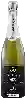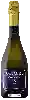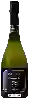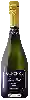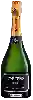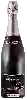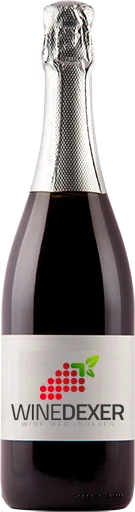
Cave AmadeuRosé Brut
 Sparkling wine



In the mouth this sparkling wine is a with a nice vivacity and a fine and pleasant bubble.
This wine generally goes well with pork, rich fish (salmon, tuna etc) or shellfish.

Taste structure of the Rosé Brut from the Cave Amadeu
Light | Bold | |
Soft | Acidic | |
Gentle | Fizzy |
In the mouth the Rosé Brut of Cave Amadeu in the region of Rio Grande do Sul is a with a nice vivacity and a fine and pleasant bubble.
Wine flavors and olphactive analysis


On the nose the Rosé Brut of Cave Amadeu in the region of Rio Grande do Sul often reveals types of flavors of red fruit, strawberries or raspberry and sometimes also flavors of earth, microbio or tree fruit.
Food and wine pairings with Rosé Brut
Pairings that work perfectly with Rosé Brut



Original food and wine pairings with Rosé Brut
The Rosé Brut of Cave Amadeu matches generally quite well with dishes of pork, rich fish (salmon, tuna etc) or shellfish such as recipes of paupiettes with tomato sauce, half-cooked bluefin tuna or lobster tail armorican style.
Details and technical informations about Cave Amadeu's Rosé Brut.
Discover the grape variety: Pinot noir
Elegant reds, light in colour with silky tannins, showing strawberry, cherry and raspberry aromas, evolving to forest floor, mushroom and spice with age. Fresh acidity, delicate finish. Star of the Côte d'Or (Romanée-Conti, Chambertin, Volnay), pillar of Champagne (Blanc de Noirs) and signature of Oregon, Central Otago and Sonoma Coast. An early-ripening Burgundian variety, one of the world's greatest.
Last vintages of this wine
The best vintages of Rosé Brut from Cave Amadeu are 2018, 2017, 2016, 2015 and 2014.
Informations about the Cave Amadeu
The Cave Amadeu is one of of the world's greatest estates. It offers 7 wines for sale in the of Serra Gaúcha to come and discover on site or to buy online.

The wine region of Serra Gaúcha
Brazil's wine capital, Rio Grande do Sul. Specialty: high-quality traditional-method sparklers, fine and fruity (apple, citrus, white flowers), elegant bubble, alpine expression of the south. Still wines mostly European: round fruity Merlot, firm Cabernet Sauvignon, more tannic Tannat, fresh Chardonnay, supple Riesling Italico, fine Pinot Noir. Marked by Italian immigration in 1875, humid climate tempered by altitude.
The wine region of Rio Grande do Sul
Brazil's winemaking heart (~80% of production), Italian tradition. Recognised specialty: traditional-method sparkling wines (espumantes), fresh and fruity, based on Chardonnay and Pinot Noir, among South America's finest. Accessible reds: supple, fruity Merlot (plum, cherry), fleshy Cabernet Sauvignon, dense, tannic Tannat. Round Chardonnay, light Riesling Italico, sweet, floral Moscato whites.
The word of the wine: Ancestral method
A method of making certain sparkling wines such as blanquette de Limoux, sparkling gaillac or clairette de Die, which consists of a second fermentation in the bottle based on natural sugars and yeasts naturally brought by the grapes (unlike the méthode champenoise, which requires the addition of tirage liquor).