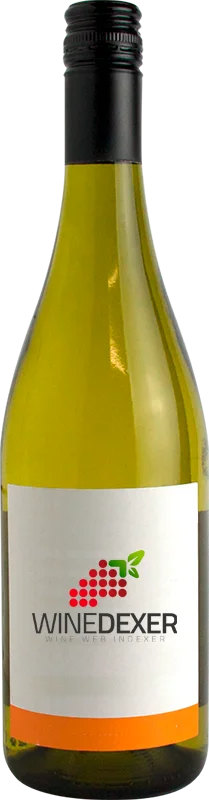
Winery Cinco SentidosTardio Blanco
 Sweet wine


This wine generally goes well with poultry, beef or lamb.
Wine flavors and olphactive analysis

Food and wine pairings with Tardio Blanco
Pairings that work perfectly with Tardio Blanco



Original food and wine pairings with Tardio Blanco

The Tardio Blanco of Winery Cinco Sentidos matches generally quite well with dishes of beef, lamb or spicy food such as recipes of pasticcio (greece), grilled leg of lamb marinated in aromatic oil or shrimp in coconut milk curry.
Details and technical informations about Winery Cinco Sentidos's Tardio Blanco.
Discover the grape variety: Cabernet-Sauvignon
Cabernet-Sauvignon noir is a grape variety that originated in France (Bordeaux). It produces a variety of grape specially used for wine making. It is rare to find this grape to eat on our tables. This variety of grape is characterized by small bunches, and small grapes. Cabernet-Sauvignon noir can be found in many vineyards: South-West, Loire Valley, Languedoc & Roussillon, Cognac, Bordeaux, Armagnac, Rhone Valley, Provence & Corsica, Savoie & Bugey, Beaujolais.
Last vintages of this wine
The best vintages of Tardio Blanco from Winery Cinco Sentidos are 0, 2010
Informations about the Winery Cinco Sentidos
The Winery Cinco Sentidos is one of of the world's greatest estates. It offers 17 wines for sale in the of Mendoza to come and discover on site or to buy online.

The wine region of Mendoza
Mendoza is by far the largest wine region in Argentina. Located on a high-altitude plateau at the edge of the Andes Mountains, the province is responsible for roughly 70 percent of the country's annual wine production. The French Grape variety Malbec has its New World home in the vineyards of Mendoza, producing red wines of great concentration and intensity. The province Lies on the western edge of Argentina, across the Andes Mountains from Chile.
The word of the wine: Liquid
Sweet wine containing more than 50 grams of residual sugar per liter. Sweet wines are made from grapes often affected by botrytis cinerea and concentrated either by passerillage (drying of the grapes on the vine stock), or after the harvest (straw wines), or by the cold (ice wines).