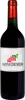
Winery CibulkaPinot Noir Bio Pozdní Sběr
 Red wine


This wine generally goes well with pork, poultry or veal.

Wine flavors and olphactive analysis

On the nose the Pinot Noir Bio Pozdní Sběr of Winery Cibulka in the region of Morava often reveals types of flavors of oak, red fruit.
Food and wine pairings with Pinot Noir Bio Pozdní Sběr
Pairings that work perfectly with Pinot Noir Bio Pozdní Sběr



Original food and wine pairings with Pinot Noir Bio Pozdní Sběr


The Pinot Noir Bio Pozdní Sběr of Winery Cibulka matches generally quite well with dishes of veal, pork or game (deer, venison) such as recipes of veal roast casserole, flamenkuche express or rabbit with goat cheese and mint.
Details and technical informations about Winery Cibulka's Pinot Noir Bio Pozdní Sběr.
Discover the grape variety: Pinot noir
Elegant reds, light in colour with silky tannins, showing strawberry, cherry and raspberry aromas, evolving to forest floor, mushroom and spice with age. Fresh acidity, delicate finish. Star of the Côte d'Or (Romanée-Conti, Chambertin, Volnay), pillar of Champagne (Blanc de Noirs) and signature of Oregon, Central Otago and Sonoma Coast. An early-ripening Burgundian variety, one of the world's greatest.
Last vintages of this wine
The best vintages of Pinot Noir Bio Pozdní Sběr from Winery Cibulka are 2018, 2019, 0
Informations about the Winery Cibulka
The Winery Cibulka is one of of the world's great estates. It offers 37 wines for sale in the of Morava to come and discover on site or to buy online.

The wine region of Morava
Predominantly white region, lively and mineral: crisp, peppery Grüner Veltliner, taut Riesling with citrus, supple, floral Müller-Thurgau, aromatic Pálava, the local signature (muscat, white flowers). More discreet reds: spicy Frankovka (Blaufränkisch) with black fruits, fine, silky Saint Laurent. Temperate continental climate, 4 sub-regions: Mikulov, Velké Pavlovice, Znojmo, Slovácko. ~96% of the Czech vineyard, 73 grapes grown.
The word of the wine: Muscat blanc à petits grains
A white grape variety cultivated since antiquity on the shores of the Mediterranean, it is considered the noblest of the muscats. It is mainly used to make sweet wines, often from mutage. In France, it is the sole variety used in many natural sweet wines: muscat-de-frontignan, muscat-de-mireval, muscat-de-lunel, muscat-de-saint-jean-de-minervois, muscat-de-beaumes-de-venise, muscat-du-cap-corse. Combined with Muscat d'Alexandrie, it gives Muscat-de-Rivesaltes. It is also used to make sparkling white wines (clairette-de-die; moscato d'asti and asti spumante in Italy) and dry wines (alsace-muscat). Powerfully aromatic and complex, its wines evoke fresh grapes, roses, exotic fruits, citrus fruits and spices.