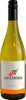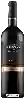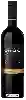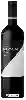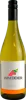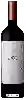
Winery ChéSyrah
 Red wine


In the mouth this red wine is a powerful with a lot of tannins present in the mouth.
This wine generally goes well with poultry, beef or game (deer, venison).

Taste structure of the Syrah from the Winery Ché
Light | Bold | |
Smooth | Tannic | |
Dry | Sweet | |
Soft | Acidic |
In the mouth the Syrah of Winery Ché in the region of San Juan is a powerful with a lot of tannins present in the mouth.
Wine flavors and olphactive analysis

On the nose the Syrah of Winery Ché in the region of San Juan often reveals types of flavors of red fruit.
Food and wine pairings with Syrah
Pairings that work perfectly with Syrah



Original food and wine pairings with Syrah

The Syrah of Winery Ché matches generally quite well with dishes of beef, lamb or game (deer, venison) such as recipes of beef with mustard, tajine of beef balls and merguez or rabbit with marengo sauce.
Details and technical informations about Winery Ché's Syrah.
Discover the grape variety: Muscat Bailey A
Supple, fruity reds with a moderate ruby robe, silky tannins and a direct palate, with signature Muscat aromas (fresh grape, rose), red fruits (cherry, strawberry), candy and hybrid herbal notes. A simple, early-ripening profile. Widely grown in Japan (Yamanashi, Nagano), it is the emblem of modern Japanese reds. Black hybrid grape created in 1927 by Zenbei Kawakami, a Bailey × Muscat Hamburg cross.
Last vintages of this wine

The best vintages of Syrah from Winery Ché are 2018, 2017, 2013, 2014 and 2016.
Informations about the Winery Ché
The Winery Ché is one of of the world's greatest estates. It offers 2 wines for sale in the of San Juan to come and discover on site or to buy online.

The wine region of San Juan
Argentina's 2nd province by volume, a very sunny Andean oasis (<30 cloudy days/year). Signature Syrah (~22% of Argentine Syrah): intense, sun-drenched reds with signature notes of blackberry, black plum, pepper, olive, violet and sweet spice, round tannins and vivid fruit. Also fleshy Malbec, supple Bonarda, spicy Tempranillo. Floral, muscat Torrontes and ample Chardonnay in white.
The word of the wine: Vinification of sweet wines
Moelleux and liquoreux wines are characterized by the presence of residual sugars (natural sugar of the grape), not transformed into alcohol under the effect of yeasts. The fermentation is stopped by cold and by the addition of sulphur dioxide (sulphur).