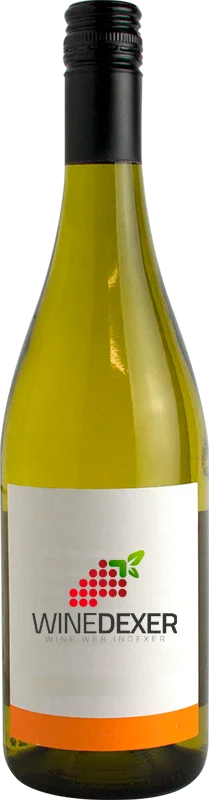
Château ValticeChardonnay
 White wine



This wine generally goes well with pork, vegetarian or poultry.
Food and wine pairings with Chardonnay
Pairings that work perfectly with Chardonnay



Original food and wine pairings with Chardonnay

The Chardonnay of Château Valtice matches generally quite well with dishes of pork, rich fish (salmon, tuna etc) or vegetarian such as recipes of flammekueche (with laughing cow), english tuna croque-monsieur or quiche with leeks and fresh salmon from flo.
Details and technical informations about Château Valtice's Chardonnay.
Discover the grape variety: Chardonnay
The white Chardonnay is a grape variety that originated in France (Burgundy). It produces a variety of grape specially used for wine making. It is rare to find this grape to eat on our tables. This variety of grape is characterized by small bunches, and small grapes. White Chardonnay can be found in many vineyards: South West, Burgundy, Jura, Languedoc & Roussillon, Cognac, Bordeaux, Beaujolais, Savoie & Bugey, Loire Valley, Champagne, Rhone Valley, Armagnac, Lorraine, Alsace, Provence & Corsica.
Last vintages of this wine
The best vintages of Chardonnay from Château Valtice are 0
Informations about the Château Valtice
The Château Valtice is one of of the world's great estates. It offers 80 wines for sale in the of Morava to come and discover on site or to buy online.

The wine region of Morava
Moravia, with roughly 95 percent of the nation's Vine plantings, is the engine room of the Czech Republic's wine industry. The Center of intensively farmed bulk-wine production is also showing great promise as a producer of quality white wines. This is largely thanks to its cool Climate, comparable in many ways to that in Nahe or Pfalz, the white-wine specialists a few hundred miles west in Germany. Moravian winelands enjoy a Vineyard year well suited to the production of Complex aromatics with good Acidity.
The word of the wine: Astringency
Chemical stimulation that tightens the mucous membranes of the mouth and causes a sensation of harshness, which is characteristic of the presence of tannins. With time, the tannins lose their harshness and become softer.