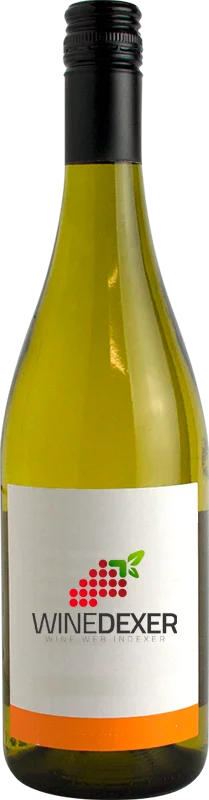
Château ValticeCabernet Sauvignon Pozdní Sbèr
 Sweet wine


This wine generally goes well with poultry, beef or lamb.




Food and wine pairings with Cabernet Sauvignon Pozdní Sbèr
Pairings that work perfectly with Cabernet Sauvignon Pozdní Sbèr



Original food and wine pairings with Cabernet Sauvignon Pozdní Sbèr

The Cabernet Sauvignon Pozdní Sbèr of Château Valtice matches generally quite well with dishes of beef, lamb or spicy food such as recipes of baked lasagna, quick couscous or spaghetti all 'amatriciana.
Details and technical informations about Château Valtice's Cabernet Sauvignon Pozdní Sbèr.
Discover the grape variety: Cabernet-Sauvignon
Structured, tannic reds, deeply coloured, with aromas of blackcurrant, blackberry, cedar, tobacco and graphite, underpinned by firm acidity and fine ageing potential. Cornerstone of the great Médoc estates (Pauillac, Saint-Estèphe, Saint-Julien) and signature of Napa Valley, Coonawarra and Maipo. The world's most planted red variety, a natural cross of Cabernet Franc x Sauvignon Blanc born in Bordeaux.
Last vintages of this wine

The best vintages of Cabernet Sauvignon Pozdní Sbèr from Château Valtice are 2016, 2015, 0, 2017
Informations about the Château Valtice
The Château Valtice is one of of the world's great estates. It offers 80 wines for sale in the of Morava to come and discover on site or to buy online.

The wine region of Morava
Predominantly white region, lively and mineral: crisp, peppery Grüner Veltliner, taut Riesling with citrus, supple, floral Müller-Thurgau, aromatic Pálava, the local signature (muscat, white flowers). More discreet reds: spicy Frankovka (Blaufränkisch) with black fruits, fine, silky Saint Laurent. Temperate continental climate, 4 sub-regions: Mikulov, Velké Pavlovice, Znojmo, Slovácko. ~96% of the Czech vineyard, 73 grapes grown.
The word of the wine: Decanting
A sommelier uses a decanter to separate the clear wine from the solid parts in a bottle.