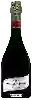
Château TamagneClassic Брют (Brut)
 Sparkling wine
of Таманский полуостров of Кубань of Russia
Sparkling wine
of Таманский полуостров of Кубань of Russia

This wine generally goes well with appetizers and snacks, lean fish or shellfish.

Food and wine pairings with Classic Брют (Brut)
Pairings that work perfectly with Classic Брют (Brut)



Original food and wine pairings with Classic Брют (Brut)

The Classic Брют (Brut) of Château Tamagne matches generally quite well with dishes of shellfish, appetizers and snacks or lean fish such as recipes of raoul's bouillabaisse, mini burgers or monkfish with cream sauce and baked potatoes.
Details and technical informations about Château Tamagne's Classic Брют (Brut).
Discover the grape variety: Cabernet-Dorsa
Very deeply coloured, structured reds with an inky robe, firm tannins and fresh acidity, with intense aromas of blackcurrant, blackberry, plum, pepper, spice and herbal blackcurrant-leaf notes. Dense palate, persistent finish. Grown in Germany (Württemberg, Palatinate, Rheinhessen) for modern-styled dry reds and blends seeking colour and substantial structure. German variety created in 1971 in Weinsberg, a cross of Dornfelder × Cabernet Sauvignon.
Last vintages of this wine
The best vintages of Classic Брют (Brut) from Château Tamagne are 0
Informations about the Château Tamagne
The Château Tamagne is one of wineries to follow in Kuban-Tamanskii-Poluostrov.. It offers 129 wines for sale in the of Таманский полуостров to come and discover on site or to buy online.

The wine region of Таманский полуостров
Taman Peninsula between the Black Sea and the Sea of Azov, Russia's wine heartland facing Crimea, at the latitude of Bordeaux. Dense, sun-drenched reds with notes of black cherry, plum, sweet spice and tobacco (firm Cabernet Sauvignon, intense deeply coloured Georgian Saperavi), round tannins. Ample Chardonnay and lively citrusy Rkatsiteli whites. Soviet-inherited sparkling tradition ("Shampanskoye").
The wine region of Кубань
Russia's leading wine region (Krasnodar Krai) between the Black Sea and Sea of Azov, ~50% of Russian wine. Mediterranean to sub-tropical climate. Firm signature Cabernet Sauvignon with signature notes of cassis, blackberry, cedar and a spicy touch, structured tannins. Round Merlot (plum, cherry), dense Saperavi (black cherry, ink), native Krasnostop (blackberry, pepper).
The word of the wine: Maceration
Prolonged contact and exchange between the juice and the grape solids, especially the skin. Not to be confused with the time of fermentation, which follows maceration. The juice becomes loaded with colouring matter and tannins, and acquires aromas. For a rosé, the maceration is short so that the colour does not "rise" too much. For white wines too, a "pellicular maceration" can be practised, which allows the wine to acquire more fat.