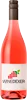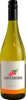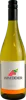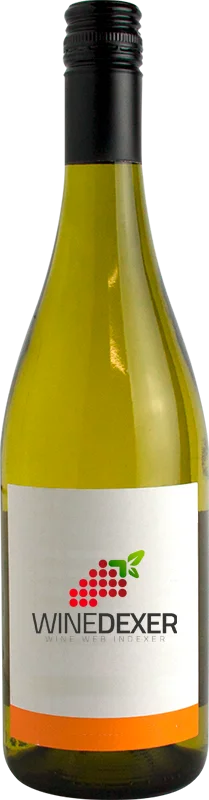
Château Saint AugustinCesar Auguste
 White wine



This wine is a blend of 2 varietals which are the Chardonnay and the Clairette.
This wine generally goes well with pork, vegetarian or poultry.
The Cesar Auguste of the Château Saint Augustin is in the top 80 of wines of Tunisia and in the top 30 of wines of Tunisia.

Food and wine pairings with Cesar Auguste
Pairings that work perfectly with Cesar Auguste



Original food and wine pairings with Cesar Auguste


The Cesar Auguste of Château Saint Augustin matches generally quite well with dishes of pork, rich fish (salmon, tuna etc) or shellfish such as recipes of rougail sausage, bacalhau a bras (portuguese cod) or hake with small shrimps for cookeo.
Details and technical informations about Château Saint Augustin's Cesar Auguste.
Discover the grape variety: Chardonnay
Whites with many faces: mineral and taut at Chablis (lemon, green apple, flint), opulent and buttery at Meursault and Puligny-Montrachet (hazelnut, brioche, yellow fruits), tense and chalky in Champagne (Blanc de Blancs). Also vinified sparkling and widely exported (Sonoma, Margaret River, Casablanca). A Burgundian variety, a cross of Pinot Noir × Gouais Blanc, half-sibling of Aligoté.
Last vintages of this wine
The best vintages of Cesar Auguste from Château Saint Augustin are 0
Informations about the Château Saint Augustin
The Château Saint Augustin is one of of the world's greatest estates. It offers 6 wines for sale in the of Tunisia to come and discover on site or to buy online.

The wine region of Tunisia
Ancient Mediterranean vineyard (Phoenician and Carthaginian heritage), 80% of the vineyard on Cap Bon, hot Mediterranean climate. Carignan, Cinsault, Grenache, Syrah, and Mourvèdre are the signature reds: fleshy with notes of red and black fruits, garrigue, spices, and a balsamic touch, ripe tannins — powerful southern blends. Iconic grey rosés of Cinsault and Grenache: fresh with notes of red fruits and citrus. Muscat of Alexandria in whites.
The word of the wine: Alcoholic fermentation
Transformation of sugars into alcohol under the effect of yeast. These yeasts exist in their natural state in the vineyards and in the cellars. Artificial seeding with selected yeasts is however very often practiced.