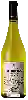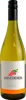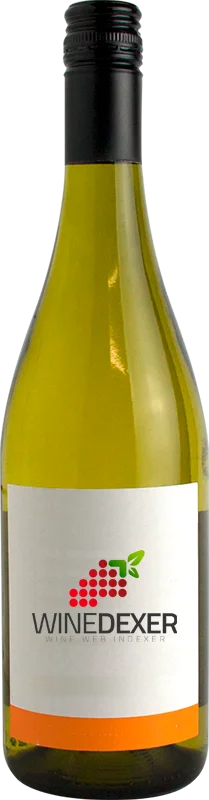
Château Los BoldosCLB Reserve Chardonnay
 White wine


In the mouth this white wine is a powerful.
This wine generally goes well with pork, vegetarian or poultry.
Taste structure of the CLB Reserve Chardonnay from the Château Los Boldos
Light | Bold | |
Dry | Sweet | |
Soft | Acidic |
In the mouth the CLB Reserve Chardonnay of Château Los Boldos in the region of Central Valley is a powerful.


Food and wine pairings with CLB Reserve Chardonnay
Pairings that work perfectly with CLB Reserve Chardonnay



Original food and wine pairings with CLB Reserve Chardonnay

The CLB Reserve Chardonnay of Château Los Boldos matches generally quite well with dishes of pork, rich fish (salmon, tuna etc) or vegetarian such as recipes of pulled pork (us pulled pork ), garba ( ivory coast ) or leek, goat cheese and bacon quiche.
Details and technical informations about Château Los Boldos's CLB Reserve Chardonnay.
Discover the grape variety: Chardonnay
The white Chardonnay is a grape variety that originated in France (Burgundy). It produces a variety of grape specially used for wine making. It is rare to find this grape to eat on our tables. This variety of grape is characterized by small bunches, and small grapes. White Chardonnay can be found in many vineyards: South West, Burgundy, Jura, Languedoc & Roussillon, Cognac, Bordeaux, Beaujolais, Savoie & Bugey, Loire Valley, Champagne, Rhone Valley, Armagnac, Lorraine, Alsace, Provence & Corsica.
Last vintages of this wine

The best vintages of CLB Reserve Chardonnay from Château Los Boldos are 2014, 2013, 0
Informations about the Château Los Boldos
The Château Los Boldos is one of of the world's great estates. It offers 79 wines for sale in the of Cachapoal Valley to come and discover on site or to buy online.

The wine region of Cachapoal Valley
The wine region of Cachapoal Valley is located in the region of Rapel Valley of Central Valley of Chile. Wineries and vineyards like the Viña Vik Winery or the Domaine Lapostolle produce mainly wines red, white and pink. The most planted grape varieties in the region of Cachapoal Valley are Cabernet-Sauvignon, Carmenère and Merlot, they are then used in wines in blends or as a single variety. On the nose of Cachapoal Valley often reveals types of flavors of cherry, fig or ripe blackberries and sometimes also flavors of milk chocolate, espresso or baking spice.
The wine region of Central Valley
The Central Valley (El Valle Central) of Chile is one of the most important wine-producing areas in South America in terms of Volume. It is also one of the largest wine regions, stretching from the Maipo Valley (just south of Santiago) to the southern end of the Maule Valley. This is a distance of almost 250 miles (400km) and covers a number of Climate types. The Central Valley wine region is easily (and often) confused with the geological Central Valley, which runs north–south for more than 620 miles (1000km) between the Pacific Coastal Ranges and the lower Andes.
The word of the wine: Tanin
A natural compound contained in the skin of the grape, the seed or the woody part of the bunch, the stalk. The maceration of red wines allows the extraction of tannins, which give the texture, the solidity and also the mellowness when the tannins are "ripe". The winemaker seeks above all to extract the tannins from the skin, the ripest and most noble. The tannins of the seed or stalk, which are "greener", especially in average years, give the wine hardness and astringency. The wines of Bordeaux (based on Cabernet and Merlot) are full of tannins, those of Burgundy much less so, with Pinot Noir containing little.