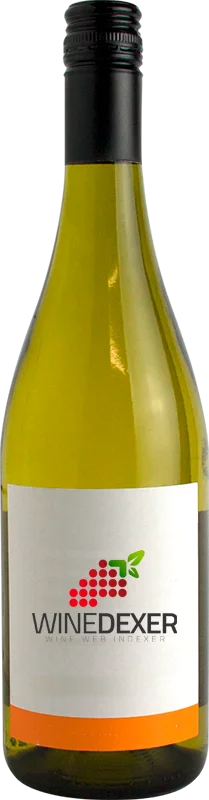
Château LieumenantBordeaux Moelleux
 White wine
This wine generally goes well with pork, vegetarian or poultry.
Food and wine pairings with Bordeaux Moelleux
Pairings that work perfectly with Bordeaux Moelleux



Original food and wine pairings with Bordeaux Moelleux


The Bordeaux Moelleux of Château Lieumenant matches generally quite well with dishes of pork, vegetarian or poultry such as recipes of rabbit in white wine (casserole), cream and tuna quiche or chinese fondue.
Details and technical informations about Château Lieumenant's Bordeaux Moelleux.
Discover the grape variety: Touriga nacional
Most certainly Portuguese, not to be confused with the Touriga Franca also of the same origin. In Portugal, where it is widely cultivated, it is used to produce, among other things, the famous red Porto. It is also found in Uzbekistan, Australia, South Africa, Cyprus, Spain, etc... very little known in France, although it is listed in the Official Catalogue of A1 vines.
Informations about the Château Lieumenant
The Château Lieumenant is one of of the world's greatest estates. It offers 5 wines for sale in the of Bordeaux Moelleux to come and discover on site or to buy online.

The wine region of Bordeaux Moelleux
A legendary wine, the great Sweet or syrupy white wines of Bordeaux are known throughout the world. It is in this category that we find the famous Sauternes and the famous Château d'Yquem considered as one of the best white wines in the world. Why such a reputation? It is partly due to the development of a microscopic fungus, Botrytis cinerea, which causes, when conditions are favourable, the famous noble rot. But in this region, it is not enough for the Grapes to be ripe to be harvested.
The wine region of Bordeaux
Bordeaux, in southwestern France, is one of the most famous, prestigious and prolific wine regions in the world. The majority of Bordeaux wines (nearly 90% of the production Volume) are the Dry, medium and Full-bodied red Bordeaux blends for which it is famous. The finest (and most expensive) are the wines of the great châteaux of Haut-Médoc and the right bank appellations of Saint-Émilion and Pomerol. The former focuses (at the highest level) on Cabernet Sauvignon, the latter on Merlot.
The word of the wine: Malolactic fermentation
Called second fermentation or malo for short. It is the degradation (under the effect of bacteria) of the malic acid naturally present in the wine into milder, less aggressive lactic acid. Some producers or wineries refuse this operation by "blocking the malo" (by cold and adding SO2) to keep a maximum of acidity which carries the aromas and accentuates the sensation of freshness.