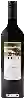
Château le BouisK Corbières
 Red wine
This wine generally goes well with beef, veal or pasta.

Food and wine pairings with K Corbières
Pairings that work perfectly with K Corbières



Original food and wine pairings with K Corbières
The K Corbières of Château le Bouis matches generally quite well with dishes of beef, pasta or veal such as recipes of monkfish tail with white butter, pasta with lemon and comté cheese or veal cutlets au gratin.
Details and technical informations about Château le Bouis's K Corbières.
Discover the grape variety: Cabernet-Cantor
Colourful and simply fruity reds with a deep purple hue, supple tannins and an ample palate with preserved acidity, featuring signature aromas of black fruits (blackcurrant, blackberry), green pepper and herbaceous notes reminiscent of Cabernet. Productive and resistant. Grown in Germany, Belgium and the United Kingdom for northern organic vineyards. German black hybrid grape obtained in 1987 at Geilweilerhof, a disease-resistant crossing involving Cabernet Sauvignon.
Informations about the Château le Bouis
The Château le Bouis is one of of the world's great estates. It offers 25 wines for sale in the of Corbières to come and discover on site or to buy online.

The wine region of Corbières
Largest AOC in Languedoc, 95% Mediterranean reds. Signature old-vine Carignan (up to 60%): fleshy reds with black fruit, garrigue, black olive, spice and tight tannins. Blended with round, sunny Grenache, peppery Syrah, dense Mourvèdre and supple Cinsault. A few fresh rosés and whites (Grenache Blanc, Roussanne).
The wine region of Languedoc-Roussillon
Largest single French vineyard, dominated by sunny, generous reds. Spicy Syrah, candied Grenache (ripe fruit, garrigue), structured Carignan, deep Mourvèdre, supple Cinsault. Stars: structured Corbières, Minervois, Faugères, Saint-Chinian; round Côtes-du-Roussillon. Legendary vins doux naturels: Banyuls and Maury (fortified Grenache) with notes of cocoa, fig, prune.
The word of the wine: Hygrometry
Humidity level of the cellar necessary for a good ageing of the wines. The recommended hygrometry is around 70% in order to guarantee a good elasticity of the corks while preserving the labels.