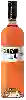
Château le BastidonSéduction Côtes de Provence Blanc
 White wine


This wine is a blend of 3 varietals which are the Marsanne, the Roussanne and the Viognier.
In the mouth this white wine is a powerful.
This wine generally goes well with pork, poultry or rich fish (salmon, tuna etc).
Taste structure of the Séduction Côtes de Provence Blanc from the Château le Bastidon
Light | Bold | |
Dry | Sweet | |
Soft | Acidic |
In the mouth the Séduction Côtes de Provence Blanc of Château le Bastidon in the region of Provence is a powerful.
Food and wine pairings with Séduction Côtes de Provence Blanc
Pairings that work perfectly with Séduction Côtes de Provence Blanc



Original food and wine pairings with Séduction Côtes de Provence Blanc


The Séduction Côtes de Provence Blanc of Château le Bastidon matches generally quite well with dishes of pork, rich fish (salmon, tuna etc) or mature and hard cheese such as recipes of rabbit with hunter's sauce, tuna nuggets or gratin in pink and blue.
Details and technical informations about Château le Bastidon's Séduction Côtes de Provence Blanc.
Discover the grape variety: Marsanne
Marsanne is a white grape variety that originated in Montélimar in the Drôme, several centuries ago. Marsanne is also found in Cassis, Savoie, Languedoc-Roussillon and Saint-Péray in the Ardèche, where it produces remarkable sparkling wines. The warm, sunny climate of the Rhone Valley, Languedoc-Roussillon and Provence, as well as the dry, stony soil, are ideal conditions for its development. Its bunches are quite large and provide small, juicy berries that are sensitive to grey rot and strong winds. These two grape varieties complement each other perfectly: together they give light wines with little acidity, aromas of yellow fruit, white fruit and flowers with notes of honey and liquorice. This is for example what the appellations Saint-Péray, Hermitage, Crozes-Hermitage, Saint-Joseph, Côtes-du-Vallée du Rhône, Corbières, or Cassis express... which represent about 700 hectares.
Last vintages of this wine
The best vintages of Séduction Côtes de Provence Blanc from Château le Bastidon are 2018
Informations about the Château le Bastidon
The Château le Bastidon is one of of the world's great estates. It offers 18 wines for sale in the of Côtes de Provence to come and discover on site or to buy online.

The wine region of Côtes de Provence
The AOC Côtes de Provence is the largest appellation in the Provence wine region of southeastern France. It covers about 20,000 hectares of vineyards, which produce the vast majority of Provence's rosé wine. This appellation includes most of the vineyards in the Var department - essentially the eastern half of the Provence wine region - with the exception of 2,250 hectares North of Toulon which are reserved for the Côteaux Varois en Provence appellation. Although it also covers red and white wine, about 80% of Côtes de Provence production is rosé.
The wine region of Provence
Provence is a wine region in the far southeast of France, best known for the quality (and quantity) of its rosé wines and for its Warm, mild Climate. The modernization that is taking place in many of the traditional wine regions of southern France has not yet taken place to the same extent in Provence, but there are Clear signs of change. The region's Grape varieties, in particular, have come under scrutiny in recent decades. Traditional varieties such as Carignan, Barbaroux (Barbarossa from Sardinia) and Calitor are being replaced by more commercially viable varieties such as Grenache, Syrah and even Cabernet Sauvignon.
The word of the wine: Sulphur
An antiseptic and antioxidant substance known since antiquity, probably already used by the Romans. But it was only in modern times that its use was rediscovered. It will allow a better conservation of the wine and thus favour its export. Sulphur also gave the 18th century winegrower the possibility of extending the maceration period without fearing that the wine would turn sour and thus go from dark rosé wines to the red wines of today. Excessive sulphur, on the other hand, kills happiness, paralysing the aromas and causing headaches.