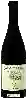
Château La SauvageonnePuech de Glen
 Red wine


In the mouth this red wine is a powerful with a nice balance between acidity and tannins.
This wine generally goes well with beef, veal or pasta.

Taste structure of the Puech de Glen from the Château La Sauvageonne
Light | Bold | |
Smooth | Tannic | |
Dry | Sweet | |
Soft | Acidic |
In the mouth the Puech de Glen of Château La Sauvageonne in the region of Languedoc-Roussillon is a powerful with a nice balance between acidity and tannins.


Food and wine pairings with Puech de Glen
Pairings that work perfectly with Puech de Glen



Original food and wine pairings with Puech de Glen
The Puech de Glen of Château La Sauvageonne matches generally quite well with dishes of beef, pasta or veal such as recipes of beef bourguignon in the oven of nanou, lasagne with salmon, goat cheese and spinach or osso bucco milanese.
Details and technical informations about Château La Sauvageonne's Puech de Glen.
Discover the grape variety: Norton
Structured, colourful reds with a deep purple hue, firm tannins and a dense palate with fresh acidity; signature aromas of dark fruits (blackberry, blackcurrant), plum, spices, chocolate and American earthy notes. Good rustic ageing potential. The grape of Missouri, defining regional identity, widely grown across the USA (Virginia, Arkansas). American black hybrid derived from Vitis aestivalis, discovered around 1820 by Dr Daniel Norton in Virginia.
Informations about the Château La Sauvageonne
The Château La Sauvageonne is one of of the world's great estates. It offers 15 wines for sale in the of Languedoc-Roussillon to come and discover on site or to buy online.

The wine region of Languedoc-Roussillon
Largest single French vineyard, dominated by sunny, generous reds. Spicy Syrah, candied Grenache (ripe fruit, garrigue), structured Carignan, deep Mourvèdre, supple Cinsault. Stars: structured Corbières, Minervois, Faugères, Saint-Chinian; round Côtes-du-Roussillon. Legendary vins doux naturels: Banyuls and Maury (fortified Grenache) with notes of cocoa, fig, prune.
The word of the wine: Grand Cru
In Burgundy, the fourth and final level of classification (above the regional, communal and premier cru appellations), designating the wines produced on delimited plots of land (the climats) whose name alone constitutes the appellation. The climats classified as Grand Cru are 32 in the Côte d'Or plus one in Chablis which is divided into 7 distinct climats. Representing barely 1.5% of the production, the Grand Crus are the aristocracy of Burgundy wines.