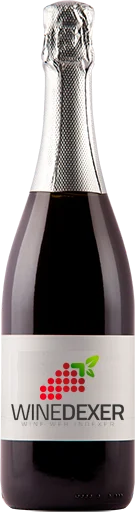
Château JuvenalGaïa de Juvenal Rosé
 Sparkling wine
This wine generally goes well with beef and mature and hard cheese.

Food and wine pairings with Gaïa de Juvenal Rosé
Pairings that work perfectly with Gaïa de Juvenal Rosé


Original food and wine pairings with Gaïa de Juvenal Rosé
The Gaïa de Juvenal Rosé of Château Juvenal matches generally quite well with dishes of beef or mature and hard cheese such as recipes of beef tagliata with truffle oil or crozet cheese with savoy diots.
Details and technical informations about Château Juvenal's Gaïa de Juvenal Rosé.
Discover the grape variety: Azal Branco
Lively, light whites best enjoyed young, with a pale golden robe, a nervy palate with very pronounced acidity, and signature aromas of citrus (lemon), green apple, white flowers and fresh herbal notes. A traditional component of Vinho Verde DOC blends (Amarante, Baião, Basto), contributing freshness and slight pétillance to the whites of northwest Portugal. White-skinned mutation of the Azal, autochthonous Portuguese grape from the Minho.
Informations about the Château Juvenal
The Château Juvenal is one of of the world's great estates. It offers 20 wines for sale in the of Vin de France to come and discover on site or to buy online.

The wine region of Vin de France
The freest category of French wine, the playground of winemakers working outside the AOC. All styles combined: fruity reds, lively or ambitious whites, everyday rosés, unusual blends, natural wines, atypical grapes (Petit Manseng in Languedoc, Riesling in Provence), experimental winemaking (skin-contact whites, no sulphur). Grape and vintage labelling allowed, no geographic constraint. From the pop, convivial cuvée to the artisan gem: freedom in a bottle.
The word of the wine: Left bank
In Bordeaux, refers to the vineyards located on the left bank of the Gironde, where the dominant grape variety is Cabernet Sauvignon. These are the Medoc, Haut-Médoc, Pessac-Leognan, Graves, etc. appellations.