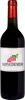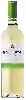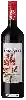
Château du VigneronSelección Tinto
 Red wine
In the mouth this red wine is a powerful.
This wine generally goes well with poultry, beef or veal.
Taste structure of the Selección Tinto from the Château du Vigneron
Light | Bold | |
Smooth | Tannic | |
Dry | Sweet | |
Soft | Acidic |
In the mouth the Selección Tinto of Château du Vigneron in the region of Vinos de Pago is a powerful.
Food and wine pairings with Selección Tinto
Pairings that work perfectly with Selección Tinto



Original food and wine pairings with Selección Tinto

The Selección Tinto of Château du Vigneron matches generally quite well with dishes of beef, pasta or veal such as recipes of beef with panang curry (red curry), spaghetti with beef balls or potjevleesch.
Details and technical informations about Château du Vigneron's Selección Tinto.
Discover the grape variety: Blancard
Originally from the southwestern Atlantic region of France, Blancard has long been cultivated in the Gers, Landes, Eastern Pyrenees and the High Pyrenees. Blancard is practically no longer present in the vineyards and is therefore in danger of disappearing.
Informations about the Château du Vigneron
The Château du Vigneron is one of of the world's greatest estates. It offers 2 wines for sale in the of Vinos de Pago to come and discover on site or to buy online.

The wine region of Vinos de Pago
Vinos de Pago, often abbreviated to VP, is a relatively New category of wine classification in Spain. It was introduced in 2003, to cover individual wineries whose wines fell outside the existing DO system (geographically or stylistically) but were nevertheless of consistently high quality. As of 2017, there were more than a dozen VPs, all of which are notable exceptions in regions not generally associated with high quality wines. More than half are in Castilla-La Mancha, and the rest in Navarra and Utiel-Requena.
The word of the wine: Disgorging (champagne)
This is the evacuation of the deposit formed by the yeasts during the second fermentation in the bottle, by opening the bottle. The missing volume is completed with the liqueur de dosage - a mixture of wine and cane sugar - before the final cork is placed. For some years now, some producers have been replacing this sugar with rectified concentrated musts (concentrated grape juice) which give excellent results. A too recent dosage (less than three months) harms the gustatory harmony of the champagne.