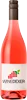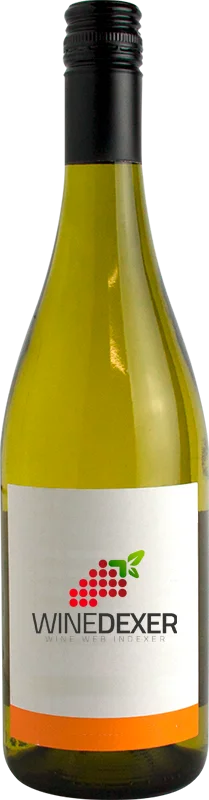
Château du MoulinChateau Du Moulin Bordeaux Sec
 White wine
This wine generally goes well with pork, vegetarian or poultry.
Food and wine pairings with Chateau Du Moulin Bordeaux Sec
Pairings that work perfectly with Chateau Du Moulin Bordeaux Sec



Original food and wine pairings with Chateau Du Moulin Bordeaux Sec


The Chateau Du Moulin Bordeaux Sec of Château du Moulin matches generally quite well with dishes of pork, vegetarian or poultry such as recipes of kig ha farz (breton stew), quiche with bacon and gruyère cheese or bresse chicken with yellow wine and morels.
Details and technical informations about Château du Moulin's Chateau Du Moulin Bordeaux Sec.
Discover the grape variety: Perle de Csaba
It is thought to have originated in Hungary, as Adolf Stark, a winegrower in Bekescsaba (Hungary), created it in 1904. According to genetic analyses, it is the result of a cross between the Madeleine angevine and the Muscat fleur d'oranger. The Csaba pearl has been used to obtain a few crosses (the red Csaba pearl is an example), the aim always being to try to find new varieties with early maturity. Today, it is only found in ornamental gardens, interesting only for its great earliness. Its many defects mean that it is almost on the verge of extinction, although it is included in the official catalogue of vine varieties on the A1 list.
Informations about the Château du Moulin
The Château du Moulin is one of wineries to follow in Bordeaux.. It offers 5 wines for sale in the of Bordeaux to come and discover on site or to buy online.

The wine region of Bordeaux
Bordeaux, in southwestern France, is one of the most famous, prestigious and prolific wine regions in the world. The majority of Bordeaux wines (nearly 90% of the production Volume) are the Dry, medium and Full-bodied red Bordeaux blends for which it is famous. The finest (and most expensive) are the wines of the great châteaux of Haut-Médoc and the right bank appellations of Saint-Émilion and Pomerol. The former focuses (at the highest level) on Cabernet Sauvignon, the latter on Merlot.
The word of the wine: White winemaking
White wines are obtained by fermentation of the juice after pressing. A pre-fermentation maceration is sometimes practiced to extract the aromatic substances from the skins. White wines are normally made from white grapes, but can also be made from red grapes (blanc de noirs). The grapes are then pressed as soon as they arrive at the vat house without maceration in order to prevent the colouring matter contained in the skins from "staining" the wine.