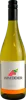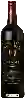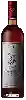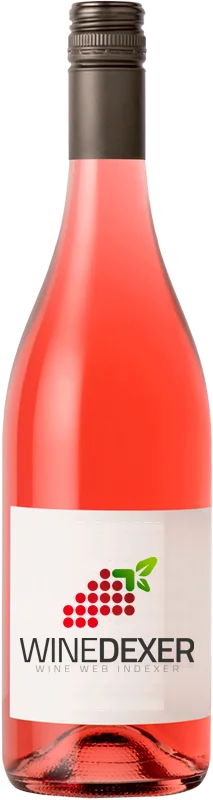
Château du BernatL'Exception Bordeaux Rosé
 Pink wine
This wine generally goes well with beef and game (deer, venison).
Food and wine pairings with L'Exception Bordeaux Rosé
Pairings that work perfectly with L'Exception Bordeaux Rosé


Original food and wine pairings with L'Exception Bordeaux Rosé
The L'Exception Bordeaux Rosé of Château du Bernat matches generally quite well with dishes of beef or game (deer, venison) such as recipes of oxtail confit in red wine or cassoulet of yesteryear.
Details and technical informations about Château du Bernat's L'Exception Bordeaux Rosé.
Discover the grape variety: Merlot
Merlot noir is a grape variety that originated in France (Bordeaux). It produces a variety of grape specially used for wine making. It is rare to find this grape to eat on our tables. This variety of grape is characterized by small to medium sized bunches, and medium sized grapes. Merlot noir can be found in many vineyards: South West, Languedoc & Roussillon, Cognac, Bordeaux, Loire Valley, Armagnac, Burgundy, Jura, Champagne, Rhone Valley, Beaujolais, Provence & Corsica, Savoie & Bugey.
Informations about the Château du Bernat
The Château du Bernat is one of of the world's greatest estates. It offers 9 wines for sale in the of Bordeaux to come and discover on site or to buy online.

The wine region of Bordeaux
Bordeaux, in southwestern France, is one of the most famous, prestigious and prolific wine regions in the world. The majority of Bordeaux wines (nearly 90% of the production Volume) are the Dry, medium and Full-bodied red Bordeaux blends for which it is famous. The finest (and most expensive) are the wines of the great châteaux of Haut-Médoc and the right bank appellations of Saint-Émilion and Pomerol. The former focuses (at the highest level) on Cabernet Sauvignon, the latter on Merlot.
The word of the wine: Disgorging (champagne)
This is the evacuation of the deposit formed by the yeasts during the second fermentation in the bottle, by opening the bottle. The missing volume is completed with the liqueur de dosage - a mixture of wine and cane sugar - before the final cork is placed. For some years now, some producers have been replacing this sugar with rectified concentrated musts (concentrated grape juice) which give excellent results. A too recent dosage (less than three months) harms the gustatory harmony of the champagne.