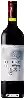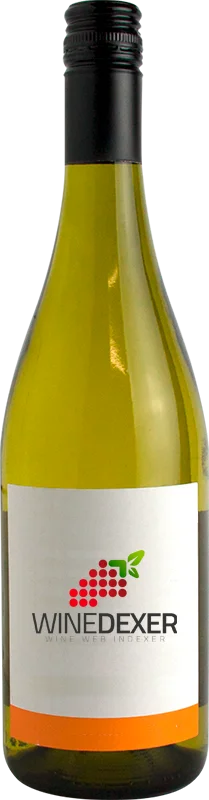
Château des CharmettesBordeaux Blanc Sec
 White wine
This wine generally goes well with pork, vegetarian or poultry.
Food and wine pairings with Bordeaux Blanc Sec
Pairings that work perfectly with Bordeaux Blanc Sec



Original food and wine pairings with Bordeaux Blanc Sec


The Bordeaux Blanc Sec of Château des Charmettes matches generally quite well with dishes of pork, vegetarian or poultry such as recipes of cassoulet, quiche without eggs or stuffed eggplant (with vegetables or mixed).
Details and technical informations about Château des Charmettes's Bordeaux Blanc Sec.
Discover the grape variety: Oeillade noire
Probably originating in the Languedoc, oeillade Noire is known by other names such as olhada, aragnan noir, ulhat, hulliade or croque. This variety should not be confused with Cinsault, which is highly productive, producing up to 5kg per vine, and is particularly noted for its drooping habit and vigour. The black eye is a late bloomer. Oidium, mildew and grey rot are its main enemies. It requires a rather short pruning, coulure and millerandage could harm its development and the grapes it would bear. It prefers a good exposure and reaches maturity around the second half of August. Its bunches are of medium size and its fruits have a great resemblance to those of the Cinsault. They have been eaten fresh at the table for a long time. The wine produced from this variety is quite alcoholic and has a colour similar to that of a cherry. The variety is no longer multiplied and seems to be on the way out.
Informations about the Château des Charmettes
The Château des Charmettes is one of wineries to follow in Bordeaux Sec.. It offers 7 wines for sale in the of Bordeaux Sec to come and discover on site or to buy online.

The wine region of Bordeaux Sec
All Dry white wines produced in Gironde can claim the regional appellation Bordeaux sec. The 1977 decree specifies that white wines with an Alcohol content of between 10 and 13° and a sugar content of less than 4g/l must be labelled as dry Bordeaux. The Bordeaux dry wine area covers 6,500 hectares and produces an average of 383,000 hl of wine per year. Its soils are clay-limestone, clay-siliceous, made up of gravel, sand and silt.
The wine region of Bordeaux
Bordeaux, in southwestern France, is one of the most famous, prestigious and prolific wine regions in the world. The majority of Bordeaux wines (nearly 90% of the production Volume) are the Dry, medium and Full-bodied red Bordeaux blends for which it is famous. The finest (and most expensive) are the wines of the great châteaux of Haut-Médoc and the right bank appellations of Saint-Émilion and Pomerol. The former focuses (at the highest level) on Cabernet Sauvignon, the latter on Merlot.
The word of the wine: Sparkling
Equivalent to effervescent, this term is used among others to designate the "natural sparkling wines" produced in the Montlouis appellation.