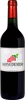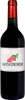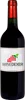
Château de la Croix ChabrieresCuvée Alliance
 Red wine



In the mouth this red wine is a powerful with a nice balance between acidity and tannins.
This wine generally goes well with beef, game (deer, venison) or lamb.

Taste structure of the Cuvée Alliance from the Château de la Croix Chabrieres
Light | Bold | |
Smooth | Tannic | |
Dry | Sweet | |
Soft | Acidic |
In the mouth the Cuvée Alliance of Château de la Croix Chabrieres in the region of Rhone Valley is a powerful with a nice balance between acidity and tannins.
Food and wine pairings with Cuvée Alliance
Pairings that work perfectly with Cuvée Alliance



Original food and wine pairings with Cuvée Alliance
The Cuvée Alliance of Château de la Croix Chabrieres matches generally quite well with dishes of beef, lamb or game (deer, venison) such as recipes of tournedos rossini, lamb tagine with preserved lemons and onion compote with... or valencian paella - family recipe.
Details and technical informations about Château de la Croix Chabrieres's Cuvée Alliance.
Discover the grape variety: Bacchus blanc
Aromatic dry and off-dry whites with a pale golden colour, a supple palate with moderate acidity, and signature perfumed aromas of white flowers (elderflower), muscat, citrus and white-fleshed fruits. Expressive, early-ripening and productive profile. Grown in Germany, England and Luxembourg, contributing to aromatic whites of northern Europe. German white variety bred in 1933 at Geilweilerhof, a cross of (Silvaner × Riesling) × Müller-Thurgau.
Last vintages of this wine
The best vintages of Cuvée Alliance from Château de la Croix Chabrieres are 2011, 2013, 2010
Informations about the Château de la Croix Chabrieres
The Château de la Croix Chabrieres is one of of the world's greatest estates. It offers 27 wines for sale in the of Côtes-du-Rhône to come and discover on site or to buy online.

The wine region of Côtes-du-Rhône
Accessible reference for Mediterranean reds: dominant Grenache as king (≥50% in the south) - supple and fruity with notes of cherry, strawberry, garrigue, pepper and a touch of sweet spices, round tannins. Fleshy Syrah (blackcurrant, violet, black pepper), dense Mourvèdre, Cinsault and Carignan in support. In the north, racy, deep Syrah solo. Generous rosés and floral whites (Grenache Blanc, Clairette, Viognier).
The wine region of Rhone Valley
France's 2nd-largest AOC vineyard, two complementary worlds. Northern: pure Syrah in signature reds (Côte-Rôtie, Hermitage, Cornas), deep and peppery with blackberry, violet, black olive and smoked bacon notes, exceptional ageing. Opulent Viognier whites (Condrieu, apricot, flowers) and ample Marsanne-Roussanne. Southern: sun-soaked Grenache blends at Châteauneuf, Gigondas, Vacqueyras (candied fruit, garrigue).
The word of the wine: Deep
A rich, complex wine that lingers on the palate and gradually reveals a strong potential for aroma and structure.