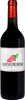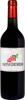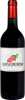
Château de GourgazaudPater Familias
 Red wine


This wine generally goes well with beef and mature and hard cheese.

Food and wine pairings with Pater Familias
Pairings that work perfectly with Pater Familias


Original food and wine pairings with Pater Familias
The Pater Familias of Château de Gourgazaud matches generally quite well with dishes of beef or mature and hard cheese such as recipes of braciola (southern italy) or onion and comté pie.
Details and technical informations about Château de Gourgazaud's Pater Familias.
Discover the grape variety: Vitovska
Structured, mineral dry whites with a pale golden colour, a full palate and sharp acidity, showing signature aromas of almond, white flowers, white-fleshed fruits (pear), citrus and saline mineral notes. Also made as structured orange wines with tannins and dried fruits. Star of the Carso Vitovska DOC appellation, a typical expression of the karst terroirs of the upper Adriatic. Native white variety of Italy and Slovenia from the Carso/Kras region.
Last vintages of this wine
The best vintages of Pater Familias from Château de Gourgazaud are 2017
Informations about the Château de Gourgazaud
The Château de Gourgazaud is one of of the world's greatest estates. It offers 24 wines for sale in the of Pays d'Oc to come and discover on site or to buy online.

The wine region of Pays d'Oc
The single-grape IGP par excellence: modern, accessible, frank and fruity wines, the popular signature of the Midi. Spicy Syrah reds (pepper, blackberry), round Merlot, structured Cabernet, generous Grenache, supple Cinsault. Crisp, tangy rosés. Opulent Chardonnay whites, lively Sauvignon, floral, apricoty Viognier.
The word of the wine: Destemming
Operation consisting in eliminating the vegetal part of the bunch supporting the berries, its maceration with the must giving a herbaceous taste to the wine.