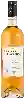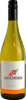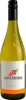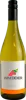
Château de CaladroyGrande Réserve Rivesaltes Tuilé
 Sweet wine


This wine generally goes well with beef and mature and hard cheese.
Wine flavors and olphactive analysis

Food and wine pairings with Grande Réserve Rivesaltes Tuilé
Pairings that work perfectly with Grande Réserve Rivesaltes Tuilé


Original food and wine pairings with Grande Réserve Rivesaltes Tuilé
The Grande Réserve Rivesaltes Tuilé of Château de Caladroy matches generally quite well with dishes of beef or mature and hard cheese such as recipes of steak tartare or savoyard crozet gratin.
Details and technical informations about Château de Caladroy's Grande Réserve Rivesaltes Tuilé.
Discover the grape variety: Bouysselet
Resulting from a natural intraspecific crossing between the Savagnin and the Cauzette plant, the latter being close to the Tannat. It should be noted that it has very often been confused with the Saint Côme, it is true that we have noted some points of resemblance. Bouysselet is very old in the Haute Garonne, more precisely in Villaudric, where it almost disappeared, but has now been replanted to the great satisfaction of connoisseurs. It is registered in the Official Catalogue of wine grape varieties, list A1.
Informations about the Château de Caladroy
The Château de Caladroy is one of of the world's great estates. It offers 41 wines for sale in the of Rivesaltes to come and discover on site or to buy online.

The wine region of Rivesaltes
Rivesaltes is an appellation for the historic Sweet wines of eastern Roussillon, in the DeepSouth of France. The natural sweet wines produced in this region have been revered since at least the 14th century. The technique used to make them is one of many techniques used for sweet wines. Unlike botrytized wines or ice wines, natural sweet wines are made by Mutage, a process that involves stopping the Fermentation of the must while a high level of natural sweetness remains.
The wine region of Languedoc-Roussillon
Languedoc (formerly Coteaux du Languedoc) is a key appellation used in the Languedoc-Roussillon wine region of southern France. It covers Dry table wines of all three colors (red, white and rosé) from the entire region, but leaves Sweet and Sparkling wines to other more specialized appellations. About 75% of all Languedoc wines are red, with the remaining 25% split roughly down the middle between whites and rosés. The appellation covers most of the Languedoc region and almost a third of all the vineyards in France.
The word of the wine: MA
Auxiliary brand or buyer's brand (supermarket for example) gathering champagnes of various origins. It offers no guarantee of quality or traceability.