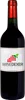
Château d'HuguesFrivole
 Red wine
This wine generally goes well with beef and mature and hard cheese.

Food and wine pairings with Frivole
Pairings that work perfectly with Frivole


Original food and wine pairings with Frivole
The Frivole of Château d'Hugues matches generally quite well with dishes of beef or mature and hard cheese such as recipes of beef with dark beer or cheese soufflé omelette.
Details and technical informations about Château d'Hugues's Frivole.
Discover the grape variety: Ehrenbreitsteiner
Aromatic and supple whites with a pale golden robe, an airy palate with moderate acidity, signature aromas of yellow fruits (peach, apricot), white flowers and light musky notes. Mainly used for sweet wines. Grown on very small surfaces in Germany, remains niche and preserved for its ampelographic value. German white grape obtained at Geisenheim (Reichensteiner x Kerner), early-ripening and resistant.
Informations about the Château d'Hugues
The Château d'Hugues is one of of the world's greatest estates. It offers 13 wines for sale in the of Vin de Pays to come and discover on site or to buy online.

The wine region of Vin de Pays
Intermediate category between AOC and Vin de France (renamed IGP in 2009), 27% of national volume. Accessible, expressive wines defined by their grape: opulent Chardonnay, lively Sauvignon, round Merlot, peppery Syrah, floral Viognier with apricot. 76 IGP in France at 3 scales: regional (Pays d'Oc, Méditerranée, Val de Loire), departmental or local. Flexible rules, wide range of permitted grapes, free grape and vintage labelling.
The wine region of Pays d'Oc
The single-grape IGP par excellence: modern, accessible, frank and fruity wines, the popular signature of the Midi. Spicy Syrah reds (pepper, blackberry), round Merlot, structured Cabernet, generous Grenache, supple Cinsault. Crisp, tangy rosés. Opulent Chardonnay whites, lively Sauvignon, floral, apricoty Viognier.
The word of the wine: Destemming
Action consisting in separating the grapes from the stalk before vinification. The stalk, the woody part of the bunch, may give the wine an unpleasant vegetal character.