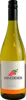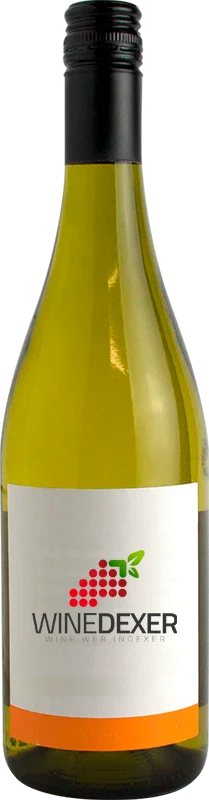
Château Cana - Clos de CanaLes Cabires Blanc
 White wine
This wine generally goes well with pork, vegetarian or poultry.
Food and wine pairings with Les Cabires Blanc
Pairings that work perfectly with Les Cabires Blanc



Original food and wine pairings with Les Cabires Blanc

The Les Cabires Blanc of Château Cana - Clos de Cana matches generally quite well with dishes of pork, rich fish (salmon, tuna etc) or vegetarian such as recipes of basque chicken with chorizo, tuna and mayonnaise onigiri or quiche without pastry, courgette and blue cheese.
Details and technical informations about Château Cana - Clos de Cana's Les Cabires Blanc.
Discover the grape variety: Chardonnay
The white Chardonnay is a grape variety that originated in France (Burgundy). It produces a variety of grape specially used for wine making. It is rare to find this grape to eat on our tables. This variety of grape is characterized by small bunches, and small grapes. White Chardonnay can be found in many vineyards: South West, Burgundy, Jura, Languedoc & Roussillon, Cognac, Bordeaux, Beaujolais, Savoie & Bugey, Loire Valley, Champagne, Rhone Valley, Armagnac, Lorraine, Alsace, Provence & Corsica.
Informations about the Château Cana - Clos de Cana
The Château Cana - Clos de Cana is one of of the world's great estates. It offers 14 wines for sale in the of Bekaa Valley to come and discover on site or to buy online.

The wine region of Bekaa Valley
The Bekaa Valley is the heartland of modern Lebanese wine. Almost 90 percent of Lebanon's wine is made here, as is a respectable proportion of its Arak, the anise-flavored spirit that remains the nation's favorite alcoholic drink. The original Bekaa Valley Vineyards were planted with Cinsaut, which was subsequently joined by other French vine varieties. Most of these remain in Lebanon’s vinicultural makeup today: red Carignan, Grenache, Syrah, Mourvèdre, Cabernet Sauvignon and Merlot, and white Ugni Blanc, Clairette and Chardonnay.
The word of the wine: Draft liquor (champagne)
After blending, the wine is bottled with a liqueur de tirage (a mixture of sugar and wine) and a yeast (selected yeasts). The yeast attacks the sugar and creates carbon dioxide. The fermentation, which lasts about two months, is prolonged by an ageing period (15 months minimum in total). The bottle is capped (some rare vintages are capped with a staple and a cork).