The Winery Chameleon Creek of Breedekloof of Western Cape
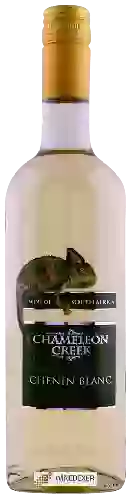
The Winery Chameleon Creek is one of the world's great estates. It offers 3 wines for sale in of Breedekloof to come and discover on site or to buy online.
Looking for the best Winery Chameleon Creek wines in Breedekloof among all the wines in the region? Check out our tops of the best red, white or effervescent Winery Chameleon Creek wines. Also find some food and wine pairings that may be suitable with the wines from this area. Learn more about the region and the Winery Chameleon Creek wines with technical and enological descriptions.
How Winery Chameleon Creek wines pair with each other generally quite well with dishes of shellfish, spicy food or lean fish such as recipes of mussels spanish style, chicken with olives in a couscousier or fish soup from marseille by lucette.
The wine region of Breedekloof is located in the region of Breede River Valley of Western Cape of South Africa. Wineries and vineyards like the Domaine Jason's Hill or the Domaine Badsberg produce mainly wines red, white and pink. The most planted grape varieties in the region of Breedekloof are Chenin blanc, Pinotage and Merlot, they are then used in wines in blends or as a single variety. On the nose of Breedekloof often reveals types of flavors of oak, honeysuckle or peach and sometimes also flavors of butter, green apple or lime.
In the mouth of Breedekloof is a powerful with a nice freshness. We currently count 40 estates and châteaux in the of Breedekloof, producing 137 different wines in conventional, organic and biodynamic agriculture. The wines of Breedekloof go well with generally quite well with dishes of beef, lamb or game (deer, venison).
Planning a wine route in the of Breedekloof? Here are the wineries to visit and the winemakers to meet during your trip in search of wines similar to Winery Chameleon Creek.
Romorantin is a white grape variety named after the town in the Loir-et-Cher region where it originated. It was François 1er who planted the first Romorantin vines here in 1519, and it has gradually been replaced by Sauvignon, considered more aromatic, and is only planted in the Loir-et-Cher region, where it is the source of the Cour-Cheverny AOC. Its bunches of small white berries, which turn pink when ripe, are resistant to grey rot. Cour-Cheverny wines are fruity white wines with aromas of white flowers, citrus fruit and honey. Their lively, full-bodied character means they can be enjoyed after a few years' storage.

