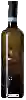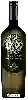
Winery CenatiempoLefkòs Bianco
 White wine


In the mouth this white wine is a powerful.
This wine generally goes well with vegetarian, appetizers and snacks or shellfish.
Taste structure of the Lefkòs Bianco from the Winery Cenatiempo
Light | Bold | |
Dry | Sweet | |
Soft | Acidic |
In the mouth the Lefkòs Bianco of Winery Cenatiempo in the region of Campania is a powerful.
Food and wine pairings with Lefkòs Bianco
Pairings that work perfectly with Lefkòs Bianco



Original food and wine pairings with Lefkòs Bianco
The Lefkòs Bianco of Winery Cenatiempo matches generally quite well with dishes of shellfish, vegetarian or appetizers and snacks such as recipes of shrimp with garlic and orange, quiche with leeks and fresh salmon from flo or pastels (senegalese stuffed fritters).
Details and technical informations about Winery Cenatiempo's Lefkòs Bianco.
Discover the grape variety: Arrufiac
Arrufiac or Arrufiat is an old white grape variety that has existed since the 17th century and is part of the AOC Pacherenc de Vic-Bilh and Côtes-Saint-Mont in the South-West. It gives a wine rich in alcohol with a very characteristic nose. 100 hectares of Arrufiac are currently planted in France.
Last vintages of this wine

The best vintages of Lefkòs Bianco from Winery Cenatiempo are 2016, 2018, 2015, 2017 and 2013.
Informations about the Winery Cenatiempo
The Winery Cenatiempo is one of of the world's greatest estates. It offers 13 wines for sale in the of Campania to come and discover on site or to buy online.

The wine region of Campania
Campania is a region that forms the "tibia" of the boot of Italy, and whose largest city is Naples. Its name comes from Campania felix, a Latin phrase meaning roughly "happy land". The region has strong historical links with wine and vineyards, dating back to the 12th century BC, and is one of the oldest wine regions in Italy. The considerable influence of ancient empires, including the Greeks, Romans and Byzantines, means that some of the varieties in this region are linked to historical legends.
The word of the wine: VDQS
Delimited wine of superior quality. A level of appellation (today, barely 1% of French production) which constitutes the ultimate step before the accession to the AOC.