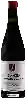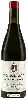
Winery Cellier des ChartreuxSyrah
 Red wine
This wine generally goes well with beef, veal or pasta.

Food and wine pairings with Syrah
Pairings that work perfectly with Syrah



Original food and wine pairings with Syrah
The Syrah of Winery Cellier des Chartreux matches generally quite well with dishes of beef, pasta or veal such as recipes of boeuf en daube, spaghetti with courgettes and italian ham or pork tenderloin with mushroom sauce.
Details and technical informations about Winery Cellier des Chartreux's Syrah.
Discover the grape variety: Posip Bijeli
Structured, aromatic dry whites with a pale golden robe, ample palate and preserved acidity, with signature aromas of citrus (lemon), white flowers (acacia), stone fruits (peach, apricot) and saline marine notes. Distinctive island character. Star of the island whites of Korčula, typical expression of the limestone coastal terroirs of the Croatian Adriatic. Orthographic variant of Pošip bijeli, indigenous Croatian white variety from the island of Korčula, Dalmatia.
Informations about the Winery Cellier des Chartreux
The Winery Cellier des Chartreux is one of of the world's great estates. It offers 72 wines for sale in the of Gard to come and discover on site or to buy online.

The wine region of Gard
Vast Languedoc IGP between Costières and Camargue (Gard): signature Grenache, Syrah, Carignan, Mourvèdre and Cinsault as reds and rosés — fruity and sun-drenched with cherry, strawberry, raspberry, garrigue, spice and a peppery touch (Camargue gris rosés emblematic on sand). Floral whites from Grenache Blanc, Marsanne, Viognier and Vermentino. IGP, ~25,000 ha across 24 communes, sunny Mediterranean climate, cleansing mistral.
The wine region of Pays d'Oc
The single-grape IGP par excellence: modern, accessible, frank and fruity wines, the popular signature of the Midi. Spicy Syrah reds (pepper, blackberry), round Merlot, structured Cabernet, generous Grenache, supple Cinsault. Crisp, tangy rosés. Opulent Chardonnay whites, lively Sauvignon, floral, apricoty Viognier.
The word of the wine: Fruity
A wine whose nose is first characterized by aromas reminiscent of the world of fruit. A wine to be drunk young is essentially fruity, but all wines offer this type of aroma in the first place, which can evolve over time, from the scent of fresh fruit to cooked, stewed, candied or brandied fruit.