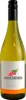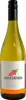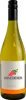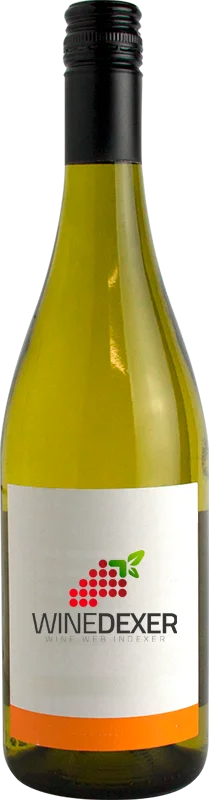
Winery Cellarium BisenciiVeltlínské Zelené
 White wine


This wine generally goes well with pork, vegetarian or lean fish.

Food and wine pairings with Veltlínské Zelené
Pairings that work perfectly with Veltlínské Zelené



Original food and wine pairings with Veltlínské Zelené



The Veltlínské Zelené of Winery Cellarium Bisencii matches generally quite well with dishes of pork, rich fish (salmon, tuna etc) or shellfish such as recipes of beef tagine with vegetables, tuna and cream cheese pie or seafood pastilla.
Details and technical informations about Winery Cellarium Bisencii's Veltlínské Zelené.
Discover the grape variety: Muscaris
Aromatic, expressive dry whites with a pale golden colour and a broad, crisp palate; signature intense muscat aromas (rose, fresh grape), white flowers, exotic fruits (lychee, mango) and citrus. Modern disease-resistant early-ripening profile. Grown in Germany, Switzerland, Belgium and the UK in organic northern vineyards. German white hybrid obtained in 1987 in Freiburg, from Solaris × Muscat à Petits Grains.
Last vintages of this wine
The best vintages of Veltlínské Zelené from Winery Cellarium Bisencii are 2018, 0
Informations about the Winery Cellarium Bisencii
The Winery Cellarium Bisencii is one of of the world's greatest estates. It offers 22 wines for sale in the of Morava to come and discover on site or to buy online.

The wine region of Morava
Predominantly white region, lively and mineral: crisp, peppery Grüner Veltliner, taut Riesling with citrus, supple, floral Müller-Thurgau, aromatic Pálava, the local signature (muscat, white flowers). More discreet reds: spicy Frankovka (Blaufränkisch) with black fruits, fine, silky Saint Laurent. Temperate continental climate, 4 sub-regions: Mikulov, Velké Pavlovice, Znojmo, Slovácko. ~96% of the Czech vineyard, 73 grapes grown.
The word of the wine: Light (taste of)
Taste close to oxidation, characteristic of champagnes altered by prolonged exposure to light.