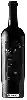
Winery Caviar HouseFendant De Saillon Valais
 wine
wine


This wine generally goes well with poultry, lean fish or mild and soft cheese.
Food and wine pairings with Fendant De Saillon Valais
Pairings that work perfectly with Fendant De Saillon Valais



Original food and wine pairings with Fendant De Saillon Valais

The Fendant De Saillon Valais of Winery Caviar House matches generally quite well with dishes of poultry, lean fish or mild and soft cheese such as recipes of wiener schnitzel or viennese schnitzel, kedgeree or potato and chicken gratin.
Details and technical informations about Winery Caviar House's Fendant De Saillon Valais.
Discover the grape variety: Allegro
Interspecific cross between chancellor and rondo obtained in 1983 and in Germany by Ernst Rühl.
Last vintages of this wine
The best vintages of Fendant De Saillon Valais from Winery Caviar House are 0
Informations about the Winery Caviar House
The Winery Caviar House is one of of the world's greatest estates. It offers 5 wines for sale in the of Valais to come and discover on site or to buy online.

The wine region of Valais
The Valais is the largest wine region and appellation in Switzerland, responsible for around one third of the country's total wine production. The main Vineyard area covers the southeast-facing slopes of the dramatic Rhône river valley as the glacial waters run southwest between Leuk (Loeche in French) and Fully. The river changes direction at Martigny and then runs northwest to exit the valley and empty into Lac Léman (Lake Geneva). Vineyard area here comes to around 4,800 hectares (11,800 acres) and is generally located on (often steep) slopes and terraces between the flat, fertile, Heavy soils at the bottom of the valley - often given over to fruit production, industry and urban development - and the bare rock of the mountainside that towers above.
The word of the wine: Draft liquor
Liqueur composed of sugar dissolved in wine, used for the dosage of sparkling wines made by the traditional method. It is also known as "liqueur d'expédition" or "liqueur de dosage".