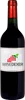
Caves de la Ville de NeuchâtelPinot Noir Barrique
 Red wine
In the mouth this red wine is a with a nice freshness.
This wine generally goes well with poultry, beef or veal.

Taste structure of the Pinot Noir Barrique from the Caves de la Ville de Neuchâtel
Light | Bold | |
Smooth | Tannic | |
Dry | Sweet | |
Soft | Acidic |
In the mouth the Pinot Noir Barrique of Caves de la Ville de Neuchâtel in the region of Neuchâtel is a with a nice freshness.
Food and wine pairings with Pinot Noir Barrique
Pairings that work perfectly with Pinot Noir Barrique



Original food and wine pairings with Pinot Noir Barrique

The Pinot Noir Barrique of Caves de la Ville de Neuchâtel matches generally quite well with dishes of beef, veal or game (deer, venison) such as recipes of mexican beef tacos, sauté of veal with olives (corsica) or casserons in the country style.
Details and technical informations about Caves de la Ville de Neuchâtel's Pinot Noir Barrique.
Discover the grape variety: Pinot noir
Elegant reds, light in colour with silky tannins, showing strawberry, cherry and raspberry aromas, evolving to forest floor, mushroom and spice with age. Fresh acidity, delicate finish. Star of the Côte d'Or (Romanée-Conti, Chambertin, Volnay), pillar of Champagne (Blanc de Noirs) and signature of Oregon, Central Otago and Sonoma Coast. An early-ripening Burgundian variety, one of the world's greatest.
Informations about the Caves de la Ville de Neuchâtel
The Caves de la Ville de Neuchâtel is one of of the world's great estates. It offers 15 wines for sale in the of Neuchâtel to come and discover on site or to buy online.

The wine region of Neuchâtel
Swiss vineyard on the western shore of the lake, 606 ha in the Three Lakes region. Signature Pinot Noir (55% of the vineyard, the local prince): fine, fresh reds with notes of cherry, raspberry, undergrowth and sweet spices, silky tannins. Specialty invented here: Œil-de-Perdrix, a delicate Pinot Noir rosé with salmon hues. Lively, mineral Chasselas (citrus, flint) in white, including the identity-marking Non-Filtré primeur.
The word of the wine: Old vines
There are no specific regulations governing the term "vieilles vignes". After 20 to 25 years, the yields stabilize and tend to decrease, the vines are deeply rooted, and the grapes that come from them give richer, more concentrated, more sappy wines, expressing with more nuance the characteristics of their terroir. It is possible to find plots of vines that claim to be a century old.