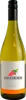
Caves de la Ville de NeuchâtelChardonnay Barrique
 wine
wine
This wine generally goes well with
The Chardonnay Barrique of the Caves de la Ville de Neuchâtel is in the top 0 of wines of Neuchâtel.

Details and technical informations about Caves de la Ville de Neuchâtel's Chardonnay Barrique.
Discover the grape variety: Mayolet
Light, fruity reds with a clear ruby hue, smooth tannins and an airy palate with fresh acidity; signature aromas of red fruits (cherry, raspberry), gentle spices and alpine floral notes. Elegant high-altitude style, best drunk young. Preserved for its heritage value, it produces artisan high-altitude cuvées in the Italian Alps. Native Italian black grape of the Aosta Valley, grown on sunny hillside terraces.
Informations about the Caves de la Ville de Neuchâtel
The Caves de la Ville de Neuchâtel is one of of the world's great estates. It offers 15 wines for sale in the of Neuchâtel to come and discover on site or to buy online.

The wine region of Neuchâtel
Swiss vineyard on the western shore of the lake, 606 ha in the Three Lakes region. Signature Pinot Noir (55% of the vineyard, the local prince): fine, fresh reds with notes of cherry, raspberry, undergrowth and sweet spices, silky tannins. Specialty invented here: Œil-de-Perdrix, a delicate Pinot Noir rosé with salmon hues. Lively, mineral Chasselas (citrus, flint) in white, including the identity-marking Non-Filtré primeur.
The word of the wine: Drawing (liqueur de)
In champagne and sparkling wines of traditional method, addition to the wine, at the time of bottling (tirage) of sugars and yeasts dissolved in wine. These components will provoke the second fermentation in the bottle leading to the formation of carbon dioxide bubbles.