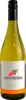
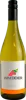
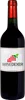
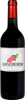
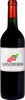
Cave La FournaisePetite Ondée Johannisberg
 White wine


This wine generally goes well with
Details and technical informations about Cave La Fournaise's Petite Ondée Johannisberg.
Discover the grape variety: Ribolla gialla
A very old grape variety that has been cultivated for a long time in Italy, more precisely in the Friuli region. It can also be found in Slovenia, Greece (island of Cephalonia), in the United States (California), ... and it should not be confused with the robola or rombola aspri cultivated in Greece (Ionian islands).
Last vintages of this wine
The best vintages of Petite Ondée Johannisberg from Cave La Fournaise are 0
Informations about the Cave La Fournaise
The Cave La Fournaise is one of of the world's great estates. It offers 23 wines for sale in the of Valais to come and discover on site or to buy online.

The wine region of Valais
The Valais is the largest wine region and appellation in Switzerland, responsible for around one third of the country's total wine production. The main Vineyard area covers the southeast-facing slopes of the dramatic Rhône river valley as the glacial waters run southwest between Leuk (Loeche in French) and Fully. The river changes direction at Martigny and then runs northwest to exit the valley and empty into Lac Léman (Lake Geneva). Vineyard area here comes to around 4,800 hectares (11,800 acres) and is generally located on (often steep) slopes and terraces between the flat, fertile, Heavy soils at the bottom of the valley - often given over to fruit production, industry and urban development - and the bare rock of the mountainside that towers above.
The word of the wine: Green harvest or green harvesting
The practice of removing excess bunches of grapes from certain vines, usually in July, but sometimes later. This is often necessary, but not always a good thing, as the remaining grapes tend to gain weight.