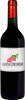
Cave du SarmentLe Bailliage Pinot Noir
 Red wine


In the mouth this red wine is a with a nice freshness.
This wine generally goes well with poultry, beef or veal.

Taste structure of the Le Bailliage Pinot Noir from the Cave du Sarment
Light | Bold | |
Smooth | Tannic | |
Dry | Sweet | |
Soft | Acidic |
In the mouth the Le Bailliage Pinot Noir of Cave du Sarment in the region of Vaud is a with a nice freshness.
Food and wine pairings with Le Bailliage Pinot Noir
Pairings that work perfectly with Le Bailliage Pinot Noir



Original food and wine pairings with Le Bailliage Pinot Noir

The Le Bailliage Pinot Noir of Cave du Sarment matches generally quite well with dishes of beef, veal or game (deer, venison) such as recipes of roast beef casserole, veal chop normandy style or garbure with duck confit.
Details and technical informations about Cave du Sarment's Le Bailliage Pinot Noir.
Discover the grape variety: Pinot noir
Elegant reds, light in colour with silky tannins, showing strawberry, cherry and raspberry aromas, evolving to forest floor, mushroom and spice with age. Fresh acidity, delicate finish. Star of the Côte d'Or (Romanée-Conti, Chambertin, Volnay), pillar of Champagne (Blanc de Noirs) and signature of Oregon, Central Otago and Sonoma Coast. An early-ripening Burgundian variety, one of the world's greatest.
Last vintages of this wine

The best vintages of Le Bailliage Pinot Noir from Cave du Sarment are 0, 2018
Informations about the Cave du Sarment
The Cave du Sarment is one of of the world's great estates. It offers 35 wines for sale in the of Vaud to come and discover on site or to buy online.

The wine region of Vaud
World reference for Chasselas (~60% of the vineyard). Mineral, delicate whites with signature notes of green apple, citrus, white flowers, fresh almond and a saline touch, low acidity and a silky palate. Maximum expression in Lavaux (UNESCO 2007) on Lake Geneva terraces. Also La Côte, Chablais and the iconic Dézaley.
The word of the wine: Crémant
AOC sparkling wine made by traditional method, with specific constraints in the regions of Alsace, Bordeaux, Burgundy, Die, Jura, Limoux and the Loire Valley, as well as in Luxembourg.