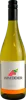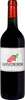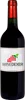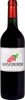
Cave de TécouGaillac Seduction
 Red wine
This wine generally goes well with

Details and technical informations about Cave de Técou's Gaillac Seduction.
Discover the grape variety: Cinsault
Light, fresh reds with a clear robe, supple tannins and a tender mouth, featuring aromas of wild strawberry, raspberry, rose, peony and soft spices. The absolute pillar of Provençal rosés (Côtes de Provence AOC, Bandol rosé) to which it brings finesse and freshness, also a component of GSM blends in Côtes-du-Rhône and Languedoc. Also a single variety in South Africa where it is a parent of Pinotage. Historic southern French grape.
Informations about the Cave de Técou
The Cave de Técou is one of of the world's greatest estates. It offers 20 wines for sale in the of Gaillac to come and discover on site or to buy online.

The wine region of Gaillac
Millennia-old South-West mosaic (banks of the Tarn) with rare native grapes: Mauzac reigns in whites — dry, pearled or sweet with notes of apple, pear, honey and white flowers, signature freshness. Ample Loin-de-l'œil and Ondenc complement. Duras in spicy, peppery reds, fleshy Braucol (Fer Servadou) (blackcurrant, raspberry, blackberry, structured tannins) and Syrah in blends. Iconic ancestral-method Gaillac sparkling.
The wine region of South West
French mosaic of strong identities south of Bordeaux. Cahors and its Malbec ("black wine"): deep reds with notes of blackberry, plum, violet, tobacco and cocoa, firm tannins. Madiran and its dense, age-worthy Tannat. Jurançon whites: golden sweet (apricot, honey, pineapple) and lively dry from Petit Manseng.
The word of the wine: Grape varieties
All the grape varieties that make up a vineyard, an appellation, a wine region.