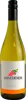
Cave de TécouEvocation du Terroir Gaillac Doux
 Sweet wine



This wine generally goes well with vegetarian, poultry or rich fish (salmon, tuna etc).

Food and wine pairings with Evocation du Terroir Gaillac Doux
Pairings that work perfectly with Evocation du Terroir Gaillac Doux



Original food and wine pairings with Evocation du Terroir Gaillac Doux


The Evocation du Terroir Gaillac Doux of Cave de Técou matches generally quite well with dishes of rich fish (salmon, tuna etc), shellfish or sweet desserts such as recipes of barbecued mackerel papillotes, mussels with bleu de bresse or apple cake.
Details and technical informations about Cave de Técou's Evocation du Terroir Gaillac Doux.
Discover the grape variety: Merseguera
Fresh and simple dry whites with a pale golden robe, a supple palate and preserved acidity, with signature aromas of citrus (lemon), white flowers, white-fleshed fruits (apple) and saline Mediterranean notes. A thirst-quenching Levantine profile to drink young. A traditional component of Levantine Spanish DOC whites (Valencia, Alicante) and the Castellón appellation, expressing regional identity. Native Spanish white grape of the Levant, productive and heat-resistant.
Informations about the Cave de Técou
The Cave de Técou is one of of the world's greatest estates. It offers 20 wines for sale in the of Gaillac to come and discover on site or to buy online.

The wine region of Gaillac
Millennia-old South-West mosaic (banks of the Tarn) with rare native grapes: Mauzac reigns in whites — dry, pearled or sweet with notes of apple, pear, honey and white flowers, signature freshness. Ample Loin-de-l'œil and Ondenc complement. Duras in spicy, peppery reds, fleshy Braucol (Fer Servadou) (blackcurrant, raspberry, blackberry, structured tannins) and Syrah in blends. Iconic ancestral-method Gaillac sparkling.
The wine region of South West
French mosaic of strong identities south of Bordeaux. Cahors and its Malbec ("black wine"): deep reds with notes of blackberry, plum, violet, tobacco and cocoa, firm tannins. Madiran and its dense, age-worthy Tannat. Jurançon whites: golden sweet (apricot, honey, pineapple) and lively dry from Petit Manseng.
The word of the wine: Acidity
When present without excess, acidity contributes to the balance of the wine, giving it freshness and nervousness. But when it is very high, it becomes a defect, giving it a biting and green character. On the other hand, if it is insufficient, the wine is soft.