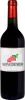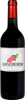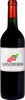
Cave de St. RomainSyrah
 Red wine
In the mouth this red wine is a powerful with a nice balance between acidity and tannins.
This wine generally goes well with poultry, beef or game (deer, venison).

Taste structure of the Syrah from the Cave de St. Romain
Light | Bold | |
Smooth | Tannic | |
Dry | Sweet | |
Soft | Acidic |
In the mouth the Syrah of Cave de St. Romain in the region of Valais is a powerful with a nice balance between acidity and tannins.
Food and wine pairings with Syrah
Pairings that work perfectly with Syrah



Original food and wine pairings with Syrah

The Syrah of Cave de St. Romain matches generally quite well with dishes of beef, lamb or game (deer, venison) such as recipes of fast and, merguez - courgettes gratin (leftover barbecue) or duck confit parmentier.
Details and technical informations about Cave de St. Romain's Syrah.
Discover the grape variety: muscat
Aromatic whites (sometimes reds) ranging from off-dry to luscious, showing powerful signature aromas of muscat, rose, white flowers, fresh grape and exotic fruits. Vinified dry, sweet, liqueur, VDN and sparkling. A family of historic aromatic varieties among the oldest cultivated in the world, including Muscat Blanc à Petits Grains, Muscat d'Alexandrie, Muscat Ottonel and many others. Grown across the Mediterranean and worldwide.
Informations about the Cave de St. Romain
The Cave de St. Romain is one of of the world's greatest estates. It offers 12 wines for sale in the of Valais to come and discover on site or to buy online.

The wine region of Valais
Switzerland's largest vineyard, capital of native grapes. Straight, precise alpine whites: light, floral Chasselas (Fendant), signature Petite Arvine with saline, grapefruit and rhubarb notes, rich, apricoty Amigne, mineral Humagne Blanche. Altitude reds: fine Pinot Noir, crisp Gamay, native Cornalin and Humagne Rouge, spicy and deep. Highly precise alpine age-worthy wines.
The word of the wine: Rafle (taste of)
A taste considered a defect, characterized by an unpleasant astringency and bitterness, brought by the stalk during the vinification process. In order to avoid it, destemming before vinification is a common practice.