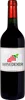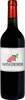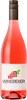
Cave de L'EstabelCuvée Excellence
 Red wine
This wine generally goes well with beef, veal or pasta.

Food and wine pairings with Cuvée Excellence
Pairings that work perfectly with Cuvée Excellence



Original food and wine pairings with Cuvée Excellence
The Cuvée Excellence of Cave de L'Estabel matches generally quite well with dishes of beef, pasta or veal such as recipes of stuffed zucchini, cannelloni chicken, pepper and mozzarella or paupiettes in a casserole with cream.
Details and technical informations about Cave de L'Estabel's Cuvée Excellence.
Discover the grape variety: Cabernet-Dorsa
Very deeply coloured, structured reds with an inky robe, firm tannins and fresh acidity, with intense aromas of blackcurrant, blackberry, plum, pepper, spice and herbal blackcurrant-leaf notes. Dense palate, persistent finish. Grown in Germany (Württemberg, Palatinate, Rheinhessen) for modern-styled dry reds and blends seeking colour and substantial structure. German variety created in 1971 in Weinsberg, a cross of Dornfelder × Cabernet Sauvignon.
Informations about the Cave de L'Estabel
The Cave de L'Estabel is one of wineries to follow in Languedoc.. It offers 61 wines for sale in the of Languedoc to come and discover on site or to buy online.

The wine region of Languedoc
Sunny, generous southern reds: spicy, peppery Syrah, round, candied Grenache (ripe fruit, garrigue), deep Mourvèdre, structured Carignan, supple Cinsault. From robust Corbières and Minervois to fresher Terrasses du Larzac, via Faugères on schist or taut Pic Saint-Loup. Lively, iodised Picpoul de Pinet whites (oysters), ample Roussanne and Marsanne. 14 sub-appellations, ~10,000 ha in regional AOC.
The wine region of Languedoc-Roussillon
Largest single French vineyard, dominated by sunny, generous reds. Spicy Syrah, candied Grenache (ripe fruit, garrigue), structured Carignan, deep Mourvèdre, supple Cinsault. Stars: structured Corbières, Minervois, Faugères, Saint-Chinian; round Côtes-du-Roussillon. Legendary vins doux naturels: Banyuls and Maury (fortified Grenache) with notes of cocoa, fig, prune.
The word of the wine: Discharge
In the traditional method, elimination of the yeast deposit formed during the second fermentation in the bottle.