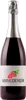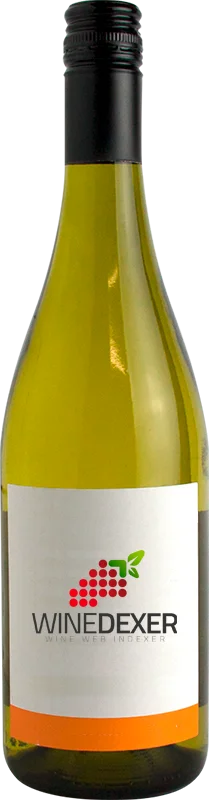
Cave de BeblenheimHeimberger Les Origines Sol Granitique Gewurztraminer
 White wine
This wine generally goes well with pork, poultry or rich fish (salmon, tuna etc).

Food and wine pairings with Heimberger Les Origines Sol Granitique Gewurztraminer
Pairings that work perfectly with Heimberger Les Origines Sol Granitique Gewurztraminer



Original food and wine pairings with Heimberger Les Origines Sol Granitique Gewurztraminer


The Heimberger Les Origines Sol Granitique Gewurztraminer of Cave de Beblenheim matches generally quite well with dishes of pork, rich fish (salmon, tuna etc) or spicy food such as recipes of very simple spaghetti carbonara, gravelax salmon or spaghetti all 'amatriciana.
Details and technical informations about Cave de Beblenheim's Heimberger Les Origines Sol Granitique Gewurztraminer.
Discover the grape variety: Roscetto
Structured and aromatic dry whites with a pale golden robe and copper highlights, an ample palate with preserved acidity, showing signature aromas of citrus, white flowers, yellow fruits (pear) and volcanic mineral notes. Also in orange wines with tannins and dried fruits. Preserved for its heritage value in Lazio around Civitella d'Agliano, featured in local artisan blends. Native white Italian grape from Lazio, studied for its genetic interest.
Informations about the Cave de Beblenheim
The Cave de Beblenheim is one of wineries to follow in Alsace.. It offers 167 wines for sale in the of Alsace to come and discover on site or to buy online.

The wine region of Alsace
Capital of great French aromatic whites, most often dry and single-varietal. Straight, mineral Riesling (lemon, gunflint), opulent, exuberant Gewurztraminer (lychee, rose, spices), round, smoky Pinot Gris, floral, crisp Muscat, supple Pinot Blanc. Fine, fruity Crémants d'Alsace, exceptional sweet Vendanges Tardives and Sélection de Grains Nobles. 15,500 ha at the foot of the Vosges on varied soils, 51 Grands Crus since 1975.
The word of the wine: Dame-jeanne
Large bottle or wicker-clad carboy used to transport wine and store old spirits before blending.