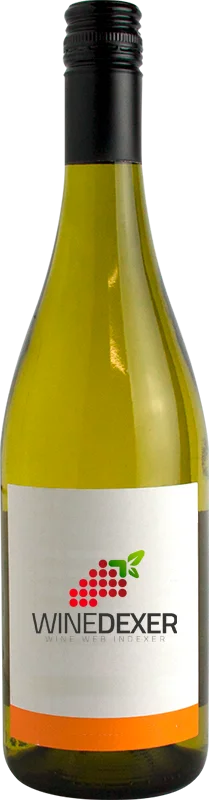
Winery La Graine SauvageLutz
 White wine



In the mouth this white wine is a .
This wine generally goes well with vegetarian, poultry or lean fish.
Taste structure of the Lutz from the Winery La Graine Sauvage
Light | Bold | |
Dry | Sweet | |
Soft | Acidic |
In the mouth the Lutz of Winery La Graine Sauvage in the region of Languedoc-Roussillon is a .
Food and wine pairings with Lutz
Pairings that work perfectly with Lutz



Original food and wine pairings with Lutz


The Lutz of Winery La Graine Sauvage matches generally quite well with dishes of pasta, vegetarian or poultry such as recipes of tagliatelle with spinach cream, quiche without pastry, courgette and blue cheese or fried rice noodles with chicken.
Details and technical informations about Winery La Graine Sauvage's Lutz.
Discover the grape variety: Tardif
This is a very old grape variety in southwestern France, with "traces" found in the high Pyrenees, but also in the Atlantic Pyrenees and in the Gers. Virtually unknown in other French wine-producing regions, as well as abroad, it is registered in the Official Catalogue of Wine Grape Varieties, list A1. Tardif is certainly the ideal grape variety to combine with Tannat, especially when the latter is in the majority. The overall quality of its polyphenols is such as to compensate for the often harsh tannins of Tannat in young wines.
Informations about the Winery La Graine Sauvage
The Winery La Graine Sauvage is one of of the world's greatest estates. It offers 7 wines for sale in the of Languedoc-Roussillon to come and discover on site or to buy online.

The wine region of Languedoc-Roussillon
Languedoc (formerly Coteaux du Languedoc) is a key appellation used in the Languedoc-Roussillon wine region of southern France. It covers Dry table wines of all three colors (red, white and rosé) from the entire region, but leaves Sweet and Sparkling wines to other more specialized appellations. About 75% of all Languedoc wines are red, with the remaining 25% split roughly down the middle between whites and rosés. The appellation covers most of the Languedoc region and almost a third of all the vineyards in France.
The word of the wine: Clear
Said of a wine that is clear and brilliant in colour and contains no suspended matter.