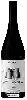
Winery Castillo CatadauSelección Tinto
 Red wine


In the mouth this red wine is a powerful.
This wine generally goes well with poultry, beef or veal.

Taste structure of the Selección Tinto from the Winery Castillo Catadau
Light | Bold | |
Smooth | Tannic | |
Dry | Sweet | |
Soft | Acidic |
In the mouth the Selección Tinto of Winery Castillo Catadau in the region of Valence is a powerful.
Food and wine pairings with Selección Tinto
Pairings that work perfectly with Selección Tinto



Original food and wine pairings with Selección Tinto

The Selección Tinto of Winery Castillo Catadau matches generally quite well with dishes of beef, pasta or veal such as recipes of fondue vigneronne au vin rouge, pasta with arrabiata or gigolette of rabbit.
Details and technical informations about Winery Castillo Catadau's Selección Tinto.
Discover the grape variety: Calabre blanc
Aromatic dry and semi-dry whites with a pale golden colour, a supple palate with moderate acidity, and characteristic muscat aromas (fresh grape, flowers) with Mediterranean notes. Simple profile. Nearly extinct in commercial cultivation, preserved in varietal collections; witnesses the historical spread of Italian varieties across central and eastern Europe. Historic Italian white variety, once grown in central and southern Italy and eastern Europe.
Last vintages of this wine
The best vintages of Selección Tinto from Winery Castillo Catadau are 2019, 0
Informations about the Winery Castillo Catadau
The Winery Castillo Catadau is one of of the world's greatest estates. It offers 8 wines for sale in the of Valence to come and discover on site or to buy online.

The wine region of Valence
Sunny Mediterranean Levant, sun-drenched accessible wines. Monastrell (Mourvèdre) star red in Alicante: fleshy and deep with black fruits, garrigue, leather and spice, firm tannins. Round, fruity Bobal from Utiel-Requena, supple Garnacha, juicy Tempranillo. Fresh whites: light Merseguera, aromatic Moscatel (fresh grape, flowers).
The word of the wine: Young
A very relative term that can designate a wine of the year that is already at its optimum, as well as a wine that has passed its first year but has not yet developed all its qualities.