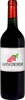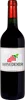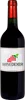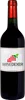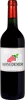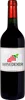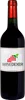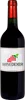
Bodegas Castillo ViejoIsla de Lobos Reserva Tannat - Cabernet Franc
 Red wine


This wine is a blend of 2 varietals which are the Cabernet franc and the Tannat.
This wine generally goes well with pork, poultry or beef.
The Isla de Lobos Reserva Tannat - Cabernet Franc of the Bodegas Castillo Viejo is in the top 20 of wines of San José.

Wine flavors and olphactive analysis


On the nose the Isla de Lobos Reserva Tannat - Cabernet Franc of Bodegas Castillo Viejo in the region of San José often reveals types of flavors of non oak, oak or spices.
Food and wine pairings with Isla de Lobos Reserva Tannat - Cabernet Franc
Pairings that work perfectly with Isla de Lobos Reserva Tannat - Cabernet Franc



Original food and wine pairings with Isla de Lobos Reserva Tannat - Cabernet Franc


The Isla de Lobos Reserva Tannat - Cabernet Franc of Bodegas Castillo Viejo matches generally quite well with dishes of beef, pork or game (deer, venison) such as recipes of tournedos rossini with port sauce, chicken drumstick with bacon or giant paella cooked on a wood fire.
Details and technical informations about Bodegas Castillo Viejo's Isla de Lobos Reserva Tannat - Cabernet Franc.
Discover the grape variety: Cabernet franc
Supple, fragrant reds with fine tannins and vibrant freshness, showing raspberry, violet, green pepper, pencil lead and gentle spice aromas. Star of the Loire as a single variety (Chinon, Bourgueil, Saumur-Champigny) and of the right bank of Bordeaux in blends (Cheval Blanc at 60%). Also in semi-dry Anjou rosés. A historic Bordeaux variety, parent of Cabernet-Sauvignon, Merlot and Carmenère.
Last vintages of this wine

The best vintages of Isla de Lobos Reserva Tannat - Cabernet Franc from Bodegas Castillo Viejo are 2015, 2014, 0, 2011 and 2013.
Informations about the Bodegas Castillo Viejo
The Bodegas Castillo Viejo is one of of the world's great estates. It offers 78 wines for sale in the of San José to come and discover on site or to buy online.

The wine region of San José
Viticultural department of southern Uruguay facing the Rio de la Plata, temperate oceanic climate, clay-loam soils. Tannat red king (imported from SW France in 1870 by Basques): silkier and fruitier Uruguayan version than Madiran — blackberry, black cherry, plum, cocoa, herbs, smooth rounded tannins. Supple Merlot and firm Cabernet complementary. Taut saline Albariño and crisp Sauvignon Blanc in whites.
The word of the wine: Soft
Sweet wine containing between 30 and 50 grams of residual sugar. A sweet wine is made from very ripe grapes but without being affected by botrytis cinerea and without being raisined. This term can also be applied to a dry wine that is smooth and fat in the mouth.