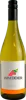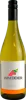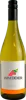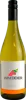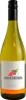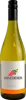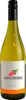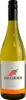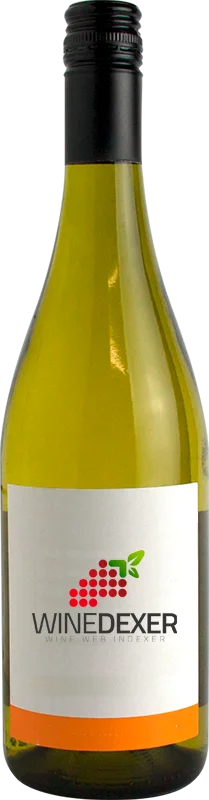
Winery Castillo de MenaraVerdejo - Sauvignon Blanc
 White wine


This wine generally goes well with pork, vegetarian or rich fish (salmon, tuna etc).

Wine flavors and olphactive analysis


On the nose the Verdejo - Sauvignon Blanc of Winery Castillo de Menara in the region of Castille often reveals types of flavors of tree fruit, citrus fruit.
Food and wine pairings with Verdejo - Sauvignon Blanc
Pairings that work perfectly with Verdejo - Sauvignon Blanc



Original food and wine pairings with Verdejo - Sauvignon Blanc


The Verdejo - Sauvignon Blanc of Winery Castillo de Menara matches generally quite well with dishes of pork, rich fish (salmon, tuna etc) or shellfish such as recipes of stuffed peppers, pasta with tuna and tomato or fish curry à la reunion.
Details and technical informations about Winery Castillo de Menara's Verdejo - Sauvignon Blanc.
Discover the grape variety: Verdejo
Lively, aromatic whites with sharp acidity and a sleek palate, with intense aromas of grapefruit, lime, fresh herbs, fennel, green almond and saline notes. Typically slightly bitter finish. Absolute star of Rueda DO in Castile-León, now widely exported. Also made as lees-aged and oak-influenced structured cuvées. Native Spanish variety, an ancient Castilian grape.
Last vintages of this wine

The best vintages of Verdejo - Sauvignon Blanc from Winery Castillo de Menara are 2015, 2016, 0, 2014 and 2017.
Informations about the Winery Castillo de Menara
The Winery Castillo de Menara is one of of the world's greatest estates. It offers 12 wines for sale in the of Valdepeñas to come and discover on site or to buy online.

The wine region of Valdepeñas
DO of southern Castilla-La Mancha on a high plain (~700 m), kingdom of Tempranillo under an extreme climate ("nine months of winter, three of hell"). Tempranillo, locally Cencibel: structured, fruity reds with signature notes of ripe cherry, plum, vanilla, leather, tobacco and sweet spices, round tannins — excellent value, from young to long oak-aged Gran Reserva. Also Airén whites (Spain's most planted), fresh and neutral. ~24,000-30,000 ha.
The wine region of Castille
Cradle of great Castilian reds, high-altitude plateaus (450-1000 m) along the Duero. Tempranillo king (aka Tinta de Toro, Tinto Fino): powerful, concentrated, structured reds with notes of black cherry, plum, leather, tobacco and spice, firm tannins from altitude and cool nights. Stars: Ribera del Duero (Vega Sicilia, Pingus), fleshy Toro, Bierzo (floral, mineral Mencía). Lively, herbaceous Verdejo whites from Rueda.
The word of the wine: Extraction
All the methods (pumping over, punching down) that allow the colour and tannins to be extracted from the grape skin during maceration, before fermentation begins. It is also possible to macerate after fermentation, but gently, so as not to extract the tannins from the seeds, which are greener. Because of its solvent power, alcohol favours extraction.