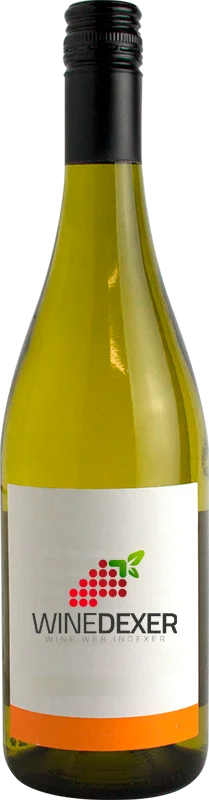
Winery Castagnero SilviaCortese Piemonte
 White wine
In the mouth this white wine is a powerful.
This wine generally goes well with lean fish, shellfish or mature and hard cheese.

Taste structure of the Cortese Piemonte from the Winery Castagnero Silvia
Light | Bold | |
Dry | Sweet | |
Soft | Acidic |
In the mouth the Cortese Piemonte of Winery Castagnero Silvia in the region of Piedmont is a powerful.
Food and wine pairings with Cortese Piemonte
Pairings that work perfectly with Cortese Piemonte



Original food and wine pairings with Cortese Piemonte


The Cortese Piemonte of Winery Castagnero Silvia matches generally quite well with dishes of pasta, shellfish or mature and hard cheese such as recipes of pad thai, pasta with scampi or jack be little in a hat ....
Details and technical informations about Winery Castagnero Silvia's Cortese Piemonte.
Discover the grape variety: Cortese
Lively, structured whites with firm acidity and a slender mouth, featuring aromas of citrus (lemon, grapefruit), green apple, white flowers, fresh almond and chalky mineral notes. Typically saline finish. The absolute star of Gavi DOCG (Cortese di Gavi), one of Italy's great whites, also made as sparkling wines and aged cuvées. Present in Colli Tortonesi DOC and Lombardy. Native Piedmontese grape from the southeast, with a long tradition of noble whites.
Informations about the Winery Castagnero Silvia
The Winery Castagnero Silvia is one of of the world's great estates. It offers 13 wines for sale in the of Piedmont to come and discover on site or to buy online.

The wine region of Piedmont
Kingdom of Nebbiolo: Barolo and Barbaresco DOCG, long-ageing reds with firm tannins and lively acidity, complex aromas of withered rose, sour cherry, tar, truffle and undergrowth. More accessible, tangy Barbera on red fruit, supple, crisp Dolcetto. Sweet, floral sparkling Moscato d'Asti, mineral, lemony Gavi (Cortese) white, round, almondy Arneis from Roero. 50,000 ha across the Langhe, Roero and Monferrato, UNESCO.
The word of the wine: Maceration
Prolonged contact and exchange between the juice and the grape solids, especially the skin. Not to be confused with the time of fermentation, which follows maceration. The juice becomes loaded with colouring matter and tannins, and acquires aromas. For a rosé, the maceration is short so that the colour does not "rise" too much. For white wines too, a "pellicular maceration" can be practised, which allows the wine to acquire more fat.