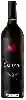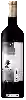
Winery Casta de VinosCasta Tinta Dómina
 Red wine


This wine generally goes well with

Details and technical informations about Winery Casta de Vinos's Casta Tinta Dómina.
Discover the grape variety: Gamay noir à jus blanc
Supple, fruity reds to drink young with a clear ruby robe, supple tannins and a light palate, featuring signature aromas of strawberry, raspberry, banana (Beaujolais Nouveau with carbonic maceration) and floral notes (peony). Star of the ten Beaujolais AOC crus (Moulin-à-Vent, Morgon, Fleurie, Brouilly…) and Beaujolais-Villages AOC, the typical expression of granitic soils. Official synonym of French Gamay from Burgundy, as opposed to teinturiers (Bouze, Chaudenay, Fréaux).
Last vintages of this wine
The best vintages of Casta Tinta Dómina from Winery Casta de Vinos are 0
Informations about the Winery Casta de Vinos
The Winery Casta de Vinos is one of of the world's great estates. It offers 16 wines for sale in the of Baja California to come and discover on site or to buy online.

The wine region of Baja California
Benchmark of Mexican wine (~90% of national output), Valle de Guadalupe at its qualitative heart. Dense, sun-drenched reds with signature notes of blackberry, plum, sweet spice, Mediterranean herbs and a smoky touch, round tannins and a warm palate. Firm Cabernet Sauvignon and Bordeaux Merlot, but also Italian Nebbiolo, Spanish Tempranillo, sun-drenched Zinfandel and Syrah — a mosaic of origins. Chardonnay and Chenin Blanc whites.
The wine region of North
North Israel encompasses Upper and Lower Galilee plus the Golan, vineyards at altitude on limestone soils, volcanic basalt and draining gravels, climate tempered by strong day-night swings. Cabernet Sauvignon, Merlot and Syrah are the signature reds — full-bodied and precise with notes of blackcurrant, black cherry, blackberry, garrigue and a mineral touch, ripe tannins and preserved freshness. Historic Carignan. Taut Chardonnay and lively Sauvignon in whites.
The word of the wine: Tartar (deposit)
White, chalky deposits that occur as a result of precipitation inside bottles and are often considered by consumers as a defect. They are in fact tartaric salts formed by tartaric acid, potassium and calcium naturally present in the wine. This deposit does not alter the quality of the wine and can be eliminated by a simple decanting.